Shabu Shabu Ryuki: An Elegant A5 Wagyu Dining Experience in the Tranquility of Daikanyama, Tokyo
Update-Date: Jun 19, 2026
Author:

2020 MISS SAKE TAIWAN and a certified International Sake Sommelier.
She provides insider travel tips on Japan, helping visitors go beyond the surface and experience the country more authentically.
Away from the hustle and bustle of the city, standing in the healing sanctuary of Daikanyama.
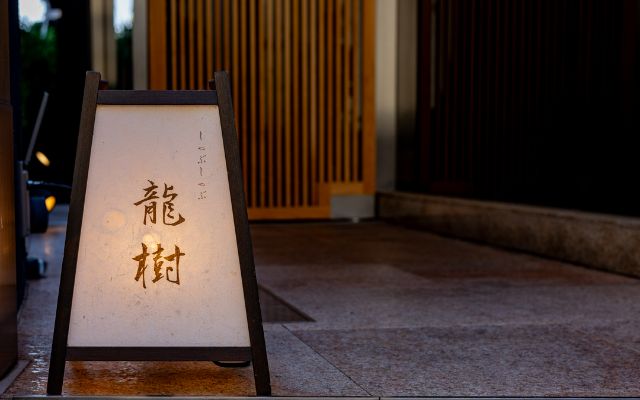
In this area that makes you want to slow down, I discovered a shabu-shabu specialty store that focuses on health, sustainability, and purity— "Ryuki".
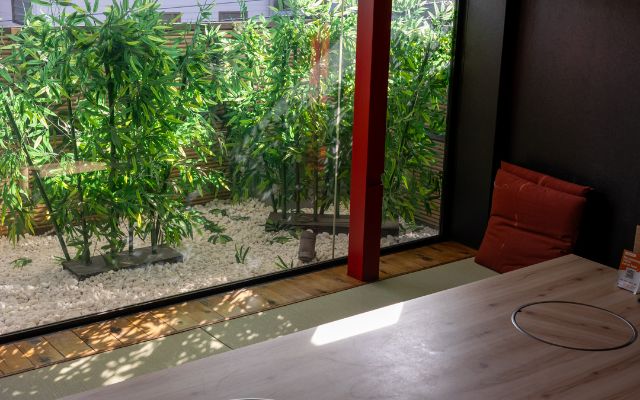
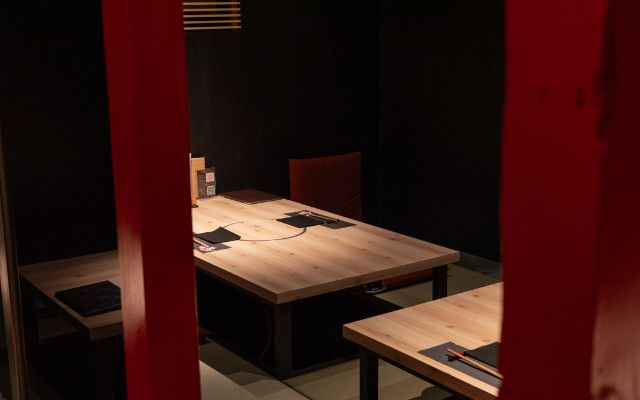
Upon entering the store, the warm lighting and dark wooden tones create a sense of stability. What attracts me the most is the window that allows you to see the greenery of the garden; as seen, the bamboo forest and stone path outside blend seamlessly with the tranquility inside, instantly shifting the mindset from the hustle and bustle of Tokyo to the Zen-like atmosphere of Kyoto. For modern travelers, the best hospitality is often not in precious decorations, but in the space that allows one to put down their fatigue, calm their mind, and converse with friends.
Ryuki
Closed: Sunday, National Holidays
Average price: [Dinner] 13,000 JPY
Access: 3-minute walk from Daikan-yama Station, 9-minute walk from Ebisu Station, 8-minute walk from Naka-meguro Station
Address: 22-8, Sarugaku-cho, Shibuya-ku, Tokyo Map
More Details Reservation
About "Ryuki": A Gentle Revolution Starting from the Source
"Ryuki" is not just a shabu-shabu restaurant; it is more like a practice field for health and natural cycles. The most charming aspect here is the "original intention"; for modern travelers who value health, a sense of luxury is no longer limited to extravagant plating, but rather lies in the ultimate pursuit of the source and ingredients of the food.
The "Ryuki beef" and "Ryuki pork" tasted at "Ryuki" have already been recognized by top experts in the industry for their quality. Although the name "Ryuki pork" is only used in this restaurant, in fact, meat of the same quality and origin has already been designated for use by many famous restaurants and Michelin-starred establishments.
Step into the doorway of time: Encountering the guardian samurai in an old folk house
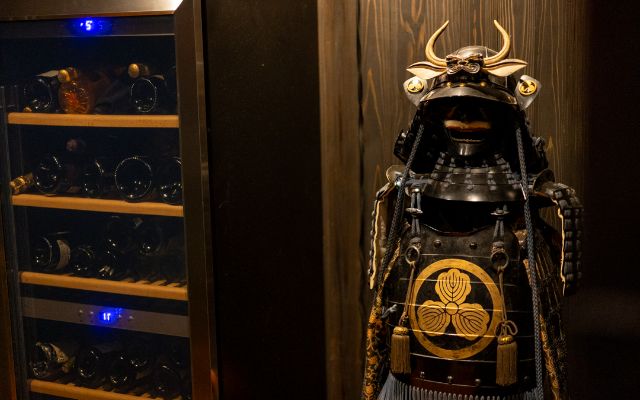
The interior space retains the architectural essence of Japan's "traditional houses," maintaining a luxurious spaciousness between seats, allowing for elegant private conversations.
What takes your breath away the most is the imposing "armor" (Katchu) at the entrance.
This set of ancient battle gear, composed of the "helmet" (Kabuto) that protects the head and the "body armor" (Do) that protects the body, has long transformed into a deep cultural totem in the modern space. The reason the store places the armor here carries several layers of delicate meanings:
・Embodiment of spirit and style: The armor symbolizes the "Bushido" spirit of honesty, courage, and honor.
・Protection and prayer: In traditional beliefs, armor has the power of "protection" and "exorcism," symbolizing the safeguarding of the store's peace and praying for prosperous business.
・Respect for exquisite craftsmanship: For Japanese stores that emphasize "artisan spirit" (Shokunin), armor is not just a weapon but a supreme craft art piece that integrates metal, leather, and weaving techniques, showcasing the owner's relentless pursuit of aesthetics and quality.
In this culturally immersive environment, dining is no longer just a sensory enjoyment but an immersive journey of dialogue with the aesthetic history of Japan.
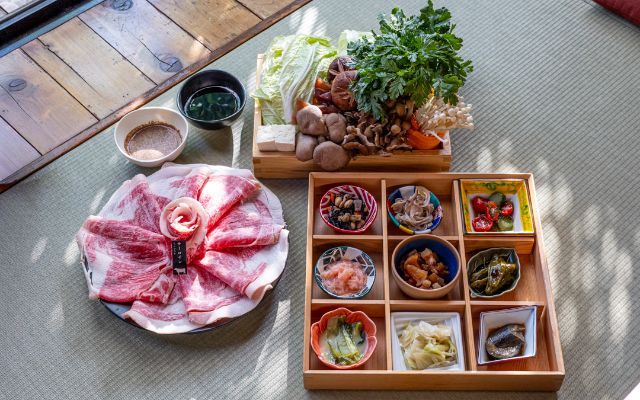
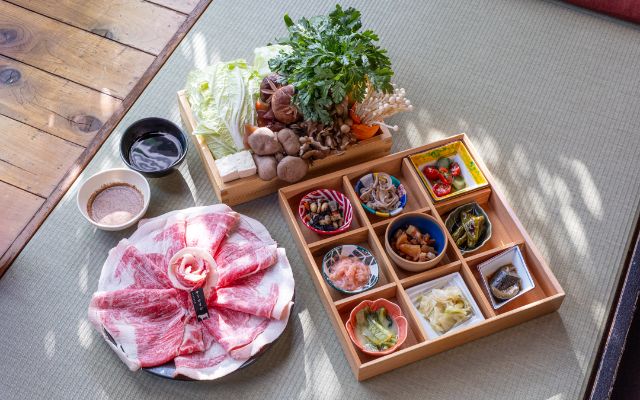
Nine types of obanzai × Exquisite selected marbled beef set meal, which is full of layers from visual to taste.
The set meal includes:
・Nine types of obanzai
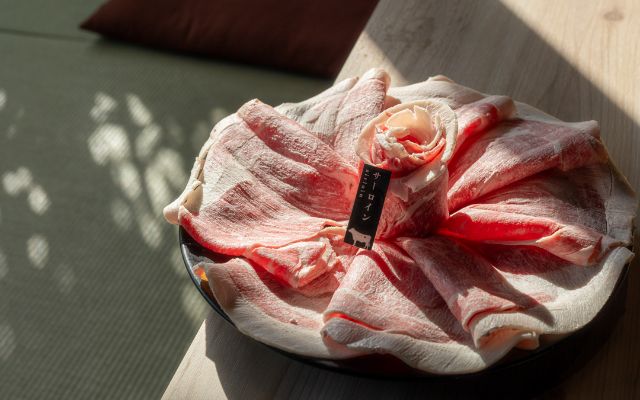
・Ryuki Beef: Sirloin slices
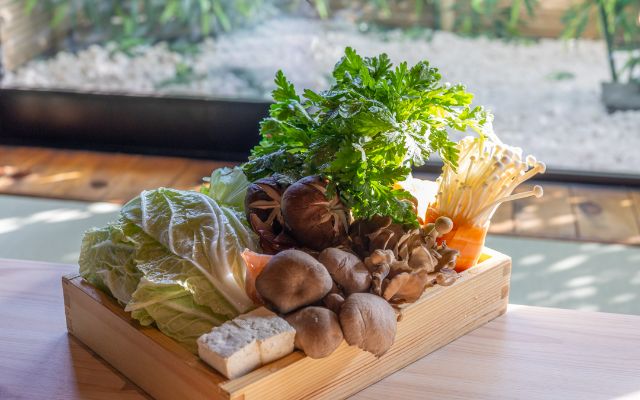
・Seasonal vegetable platter
・House-made "Mochihime" wheat noodles
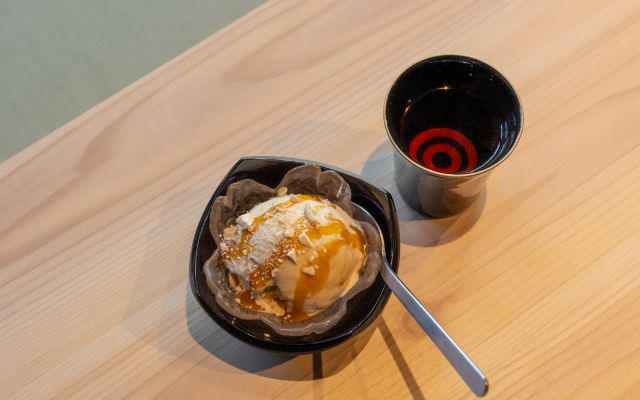
・Dessert and hot tea
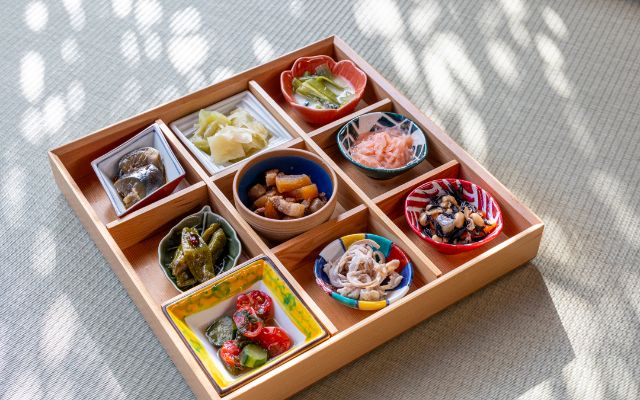
Items in the Nine-Compartment Small Dishes (obanzai)
1. Cucumber and Tomato Marinade (Oil and Vinegar Pickled)
(Pickled flavor is refreshing and appetizing)
2. Chilled Vinegar-Pickled Pork Intestines (Sumotsu)
(A specialty from Kyushu, with a chewy and crispy texture)
3. Seasonal Stewed Dishes
(Stewed dishes that change according to seasonal ingredients)
4. Grilled and Soaked Green Dragon Peppers (Glutinous Rice Peppers)
(Roasted and soaked in broth, with a subtle aroma)
5. Braised Pork Belly with White Radish
(Classic Japanese warm flavor)
6. Mentaiko Mixed with Shirataki (Konjac Noodles)
(Salty and slightly spicy, with a distinct texture)
7. Spicy Braised Long Eggplant
(Soft and flavorful, with a hint of stimulating spiciness)
8. Simmered White Fish Roe and Cabbage (Taitan, as referred to in Kyoto)
("Taitan" is a Kyoto dialect term meaning delicious dishes slowly simmered over low heat)
9. Mustard Mixed with Komatsuna (Spicy)
(Slightly spicy and refreshing)
What is "obanzai"?
In the Ryuki nine-grid, you can taste the tanginess of pickled tomatoes, the sweetness of stewed tender eggplants, and even the crunch of stir-fried seasonal vegetables. Each grid represents a rhythm of the seasons, awakening your appetite with the warmest sweetness, heralding the exciting dishes to come.
What is 'Taitan'?
Ultimate persistence from the source to the soup base
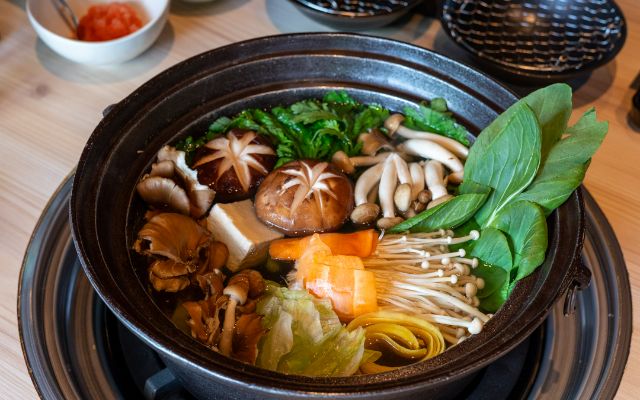
The depth of travel often lies in the insistence on ingredients. "Ryuki" feels like a tranquil taste laboratory, interpreting what it means to be "different from ordinary shabu-shabu" in a gentle way. After eating, both body and mind feel treated gently, without too much burden.
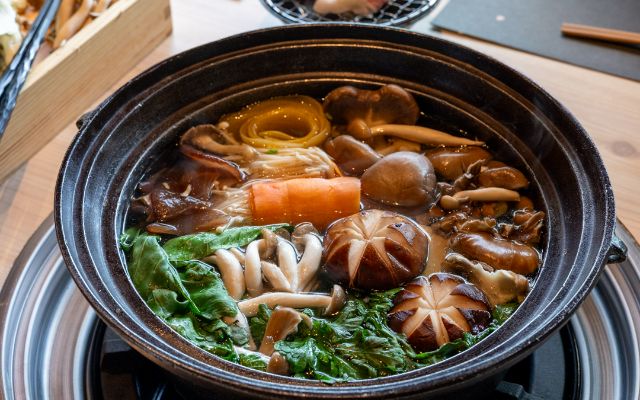
To highlight this purity, the restaurant's broth is meticulously crafted. Using high-quality Rausu kelp from Hokkaido as the base, it boldly adds bonito flakes, tuna flakes, and fish bones simmered deeply, allowing the broth to carry a rich oceanic flavor while remaining clear.
For pork shabu-shabu, the restaurant has developed as many as nine special broths:
・From the classic kelp broth, soba dipping sauce, to the rich favorites of gourmets: pork bone, salted pork bone.
・If you want to try layers of rich creative flavors, there are also options like shrimp miso, tomato garlic, ginger soy sauce, spicy miso, and mala available.
Each broth can intertwine with the high-moisture meat to create different sparks, and every bite is full of surprises.
Ryuki
Closed: Sunday, National Holidays
Average price: [Dinner] 13,000 JPY
Access: 3-minute walk from Daikan-yama Station, 9-minute walk from Ebisu Station, 8-minute walk from Naka-meguro Station
Address: 22-8, Sarugaku-cho, Shibuya-ku, Tokyo Map
More Details Reservation
Fresh seasonal vegetables delivered directly from the source
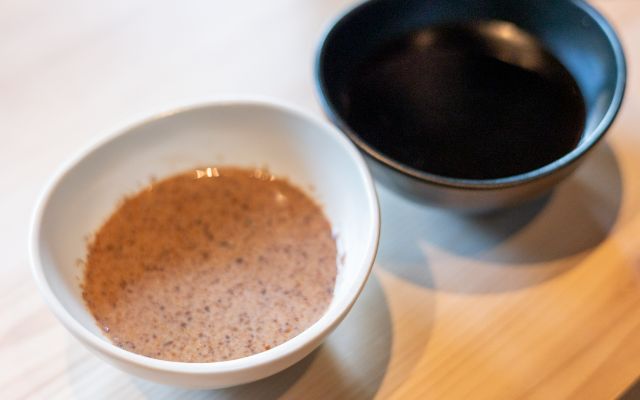
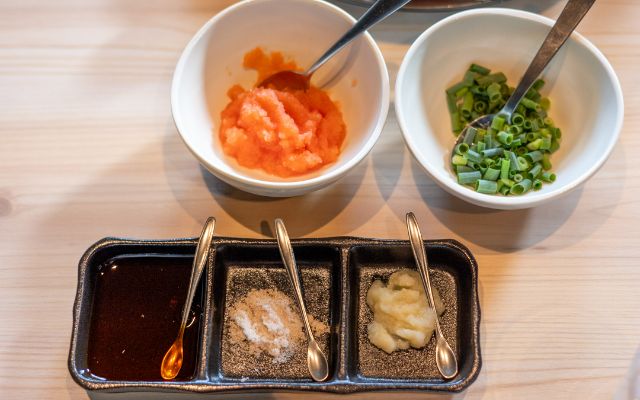
The layered and interconnected philosophy of 'food and drink'
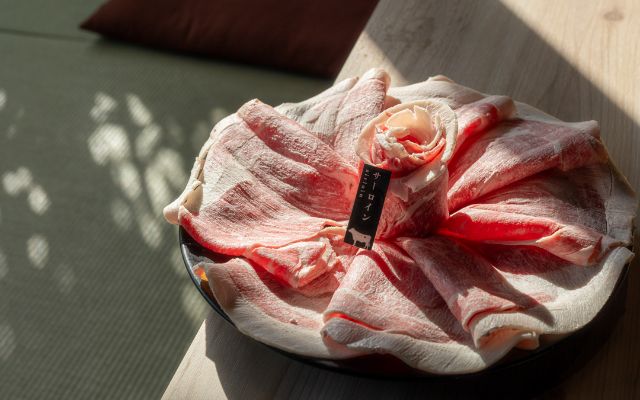
I would like to introduce this meat product to you in particular; this sirloin is quite different. We often say, "You are what you eat," and this is also true for livestock. Every bite of food they consume is related and ultimately determines the flavor and health value on the dining table.
・The peace of mind of drug-free breeding: The pigs and cows here are raised without the use of antibiotics (Drug-free) during the fattening period after weaning, allowing the meat to return to its purest and most burden-free state.
・Carefully selected exclusive feed: We use high-fiber, high-energy feed that is free from food allergens to ensure that livestock grow healthily in a stable intestinal environment.
High Moisture Content: Locking in the Secret of Fresh Sweetness
・Moist and not dry: The high moisture retention characteristic allows the meat slices to firmly lock in moisture during the cooking process, preventing them from becoming dry and hard due to heating, always maintaining a "moist" soft texture.
Fat emulsification technology: This technology allows the fat in the meat to emulsify delicately with moisture, evenly distributed between the fibers, which is why its calories and fat content are significantly reduced while still retaining a soft texture and aroma.
・Taste experience: Gently dip the meat slices into the slightly boiling kombu broth, and the fat emulsifies instantly. When you take a bite, you won't feel greasy, but rather a silky, moist texture.
・Healthy ratio: Although the texture is smooth, its fat and calorie content is actually lower than that of regular A5 beef, allowing you to be kinder to your body while enjoying delicious food.
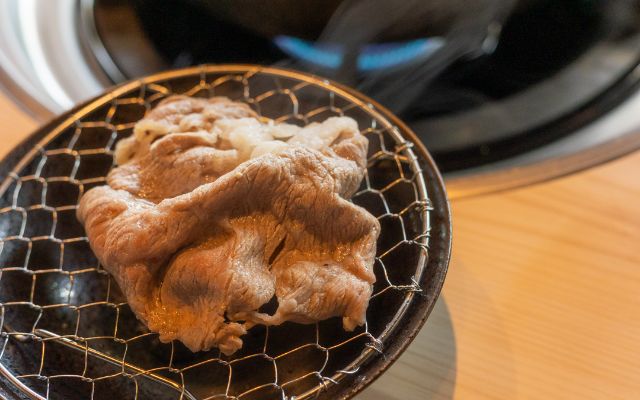
- Ideal Soup Temperature: The broth should be maintained at a state close to boiling but not excessively rolling (about 80°C - 90°C).
- Reason: A rolling broth will cause the meat slices to shrink rapidly, resulting in a tough texture and tight fibers; while too low a temperature will cause the meat slices to take too long to cook, losing their freshness.
- Operating Technique: When you see "shrimp eye water," which means small bubbles appear on the surface of the broth like shrimp eyes, this is the gentlest temperature for shabu-shabu.
Determining the Golden Time: Observe the "Pink Color"
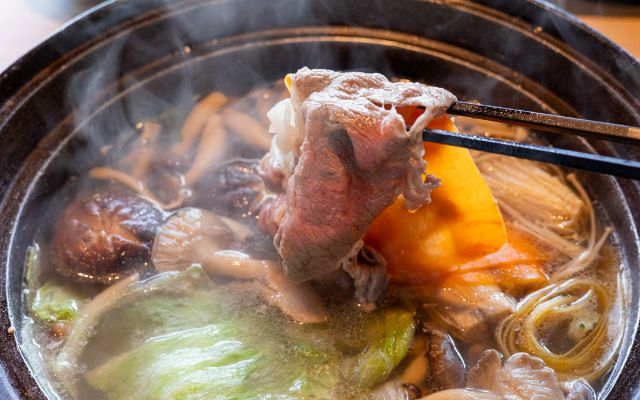
- Best Condition: When the meat slices show a pink color (about 70-80% cooked), it's time to take them out, as they will be the sweetest in taste.
- Time Reference: Depending on the thickness of the meat slices, usually 3 to 5 seconds is the golden time. Never exceed 10 seconds, or the meat will become tough immediately.
Homemade "Mochihime" Wheat Noodles
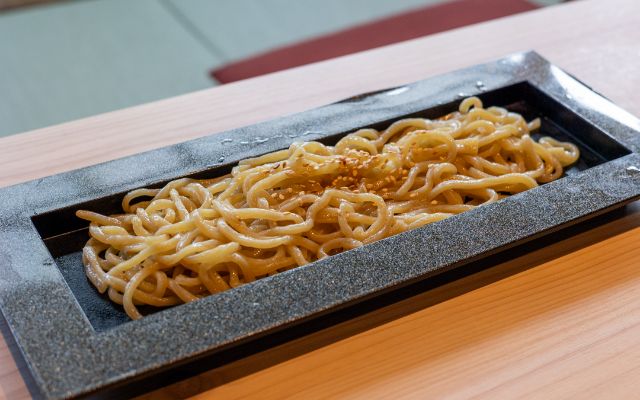
Little Science: What is "Mochihime" wheat?
・Chewy (Q) texutre: The noodle has an extremely Q-like and sticky texture, similar to "mochi".
・Absorbs the essence: When the noodles are briefly cooked in a broth that combines the umami of Rausu kelp and the essence of marbled beef fat, they absorb all the sweetness like a sponge. Each bite is filled with the aroma of wheat and the sweetness of the ocean, making it truly delicious.
The Sublimation Level Magic of Dining Platforms
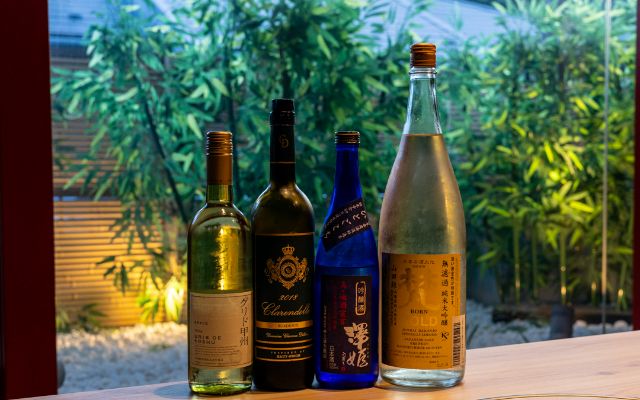
Selected Wine List:
1. GRIS DE KOSHU (グリド甲州):
・Origin: Yamanashi Prefecture, Japan, Grace Wine (Chuo Budoshu)
・Flavor: This is a white wine made from Japan's representative grape variety "Koshu." It has a refreshing fruit aroma of green apple and white peach, accompanied by a slight mineral feel and a bitter note of citrus peel. Its acidity is elegant and crisp, with a very pure taste.
・Pairing Suggestions It is best paired with the nine types of "obanzai" served at the beginning of the course. Its refreshing acidity can enhance the flavors of the vinegar-pickled tomatoes and sweet vegetables, and it can also balance the slight oiliness of the broth, making it an excellent aperitif.
2. Clarendelle Bordeaux (by Domaine Clarence Dillon)
・Origin: Bordeaux, France (crafted by the team from one of the five major wineries, Château Haut-Brion)
・Flavor: This is a red wine with a typical Bordeaux style, usually based on Merlot. It has aromas of ripe blackcurrant and blackberry, accompanied by elegant wood notes and delicate tannins. The taste is round and well-balanced.
・Pairing Suggestions: This red wine pairs perfectly with Ryuki beef sirloin. Since the fat of the Ryuki beef has been emulsified, it has a moist and non-greasy texture, and the gentle tannins of this red wine can perfectly blend with the fat of the beef, enhancing the sweetness of the meat without overshadowing the delicate flavors of the broth.
3. Sawahime Junmai Ginjo - Hitogokochi
・Origin: Tochigi Prefecture, Japan, Inoue Seikichi Shoten
・Flavor Brewed with "Hitogokochi" sake rice from Tochigi Prefecture. This ginjo sake has a fresh floral aroma and a subtle rice fragrance, with a slightly dry taste and a transparent texture.
・Pairing Suggestions: Suitable for pairing with Rausu Kombu and seafood broth, along with blanched vegetables or tofu. Its pure sake quality complements the umami of the seafood without interfering with the deep layers of the broth.
4. BORN GOLD (梵 GOLD) Unfiltered Junmai Daiginjo
・Origin: Fukui Prefecture, Japan, Kato Kyohei Shoten
・Flavor: This is a classic wine from the Japanese state banquet brand "Born." After more than a year of low-temperature aging, it has a rich aroma of ripe fruits, and because it is "unfiltered," it retains the original richness and complex umami of the sake.
・Pairing Suggestions: It is recommended to pair with the final "Mochihime" wheat noodles or fatty meat slices. The rich umami of this sake is enhanced.
Everyone's second stomach
Warm reminders for every traveler
At "Ryuki", what you taste is a respect for life, a care for the environment, and a gentle hospitality towards every traveler. If you, like me, care about the "layers of connections in what we eat," then the next time you come to Tokyo, be sure to set aside time for Daikanyama, for "Ryuki".
Come here, because that tender, moisturizing, and finely textured sirloin beef, along with that bowl of soulful, chewy noodles, is the best reward for your journey. Return home with a satisfied heart and stomach, and with the feeling that wonderful memories will be made, come and personally experience this journey about "the coexistence of health and deliciousness!"
Ryuki
Closed: Sunday, National Holidays
Average price: [Dinner] 13,000 JPY
Access: 3-minute walk from Daikan-yama Station, 9-minute walk from Ebisu Station, 8-minute walk from Naka-meguro Station
Address: 22-8, Sarugaku-cho, Shibuya-ku, Tokyo Map
More Details Reservation
Q1: How do I use SAVOR JAPAN to reserve a restaurant in Japan?
A: The reservation process is very simple. Please click the "Go to Reservation" button for the restaurant in the article, select your desired date, time, number of people, and set menu, and fill in the required contact information (name, email, etc.) to complete the application.
Q2: Is there a service fee for using SAVOR JAPAN to reserve a restaurant?
A: Absolutely not. Browsing restaurant information and making online reservations through SAVOR JAPAN is completely free. You only need to pay for the actual meal and drink costs to the restaurant after dining on the day.
Q3: Will I receive a notification after the reservation is completed? How should I check in on the day of dining?
A: After a successful reservation, the system will automatically send a "Reservation Confirmation Email" to the email address you provided. On the day of dining, when you arrive at the restaurant, please show the staff the email screen or reservation number to be seated smoothly.
Q4: What should I do if I need to cancel or change my reservation at the last minute?
A: If you need to cancel or change, please be sure to do so through the link in the reservation confirmation email. Please note that each restaurant has different cancellation policies, and late cancellations may incur a cancellation fee, so it is recommended to confirm in advance.
Disclaimer: All information is accurate at time of publication.
Thank you for reading our article.
Our goal is to take your culinary journey to the next level by helping you find the best restaurant. With SAVOR JAPAN, you can search and make reservations for
the restaurants found in and around Shibuya that fill your needs.
Discover more restaurants by area
Keywords
Update-Date: Jun 19, 2026
Author:
Related Articles
-
5 Recommended Restaurants near Shibuya Station in Tokyo to Enjoy Great Meals for Under 6000 Yen
Shibuya Station, famous worldwide for the Hachiko statue and the scramble crossing, is a bustling area where people are constantly coming and going. Recently, the "SHIBUYA SKY" and "Shibuya Sakura Stage" in the vicinity of the station have been attracting a lot of attention, and many tourists visit the area to catch a glimpse of its lively atmosphere. As a city at the forefront of Japanese trends, Shibuya is home to many stylish restaurants. Here, we introduce restaurants where one can enjoy delicious food for under 6000 yen.
-
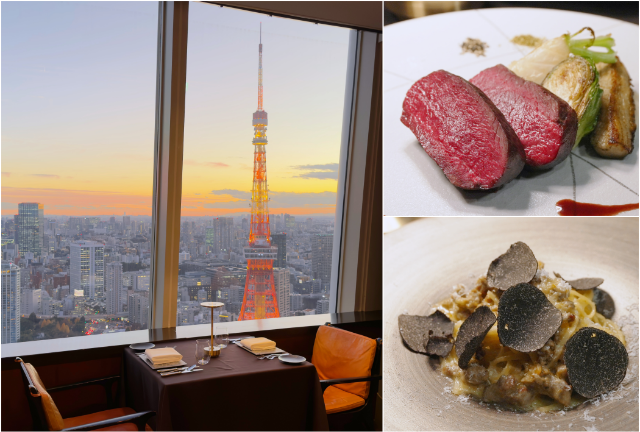
【Tokyo Night View Date Must-Visit Restaurant】XEX ATAGO GREEN HILLS|A high-rise restaurant's romantic dinner with a view of Tokyo Tower, the top choice for anniversaries.
Do you want to arrange a romantic dinner in Tokyo where you can see the Tokyo Tower? Located on the 42nd floor of Atago Green Hills, near Kamiyacho Station, XEX ATAGO GREEN HILLS is the top choice for many couples, spouses, and anniversary dates. It is known as one of Tokyo's most classic night view restaurants, with the Tokyo Tower shining right in front of you from a high vantage point. Whether you want to celebrate a birthday, propose marriage, or have a ceremonial trip to Tokyo, this restaurant is definitely the right choice! It offers a variety of options including Italian cuisine, sushi, and tempura, with an elegant atmosphere and stunning views. It is one of the few restaurants in Japan that I would be willing to visit multiple times.
-
![[Roppongi, Tokyo] SUKIYAKI Rokumatsu, Top A5 Wagyu Sukiyaki Recommendations: Encountering the Strangest Surprises in the Most Familiar Dishes](https://rimage.savorjapan.com/svj/image/discover_oishii_japan/7027/article_head.jpg?t=1775634968)
[Roppongi, Tokyo] SUKIYAKI Rokumatsu, Top A5 Wagyu Sukiyaki Recommendations: Encountering the Strangest Surprises in the Most Familiar Dishes
Do you want to experience innovative traditional sukiyaki? Just a minute's walk from the bustling Roppongi Station, we slowly descend the stairs to "SUKIYAKI Rokumatsu" located on B1. With a Google rating of up to 4.9, "SUKIYAKI Rokumatsu" achieving such a high score in such a competitive area makes us curious. I am the type who researches the origin of food and cares about the source of ingredients, as I have enjoyed various delicacies since childhood. This restaurant is definitely worth your time to read this article, as you can experience the sensory feast brought by the restaurant's dedication.
-
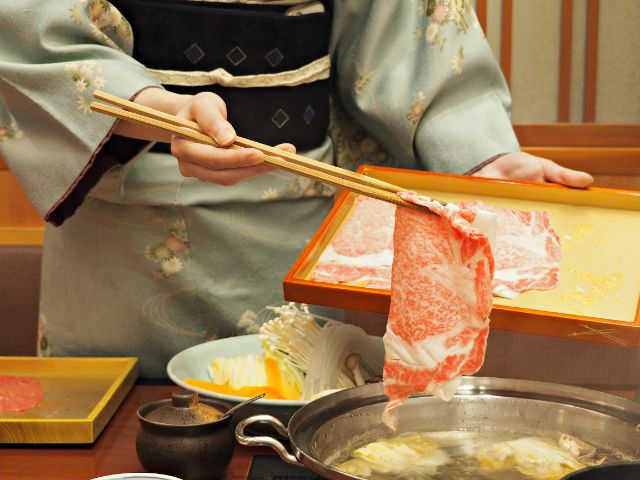
【Shibuya Gourmet】All-you-can-eat Wagyu Shabu-Shabu and relive movie scenes at "Shabuzen"
Among the many dining options in Shibuya, if you want to enjoy all-you-can-eat wagyu shabu-shabu at an affordable price, the beloved "Shabuzen" might be the place to indulge and also step into a classic movie scene to fulfill a fan's dream. Let's take a look at the charm of this "Shabuzen Shibuya Branch"!
-
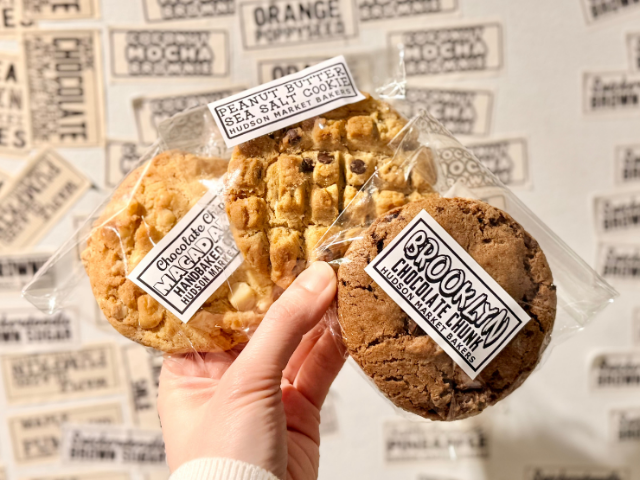
Encountering captivating New York handmade desserts on the streets of Tokyo HUDSON MARKET BAKERS
In Azabu-Juban, close to Roppongi, there is a shopping street filled with a nostalgic atmosphere. Here, not only are there long-established Japanese confectionery shops, but also many unique cafes and dessert shops that exude an exotic charm. Among them, HUDSON MARKET BAKERS is located at the street corner, welcoming guests every day to come in and enjoy American-style snacks.
![Compare the rare and luxurious beef tongue, "Kurotan", derived from Japanese Black cattle! Visit the hidden gem in Shinjuku Sanchome, Tokyo: [Kurotan Yakiniku Aoki].](https://rimage.savorjapan.com/svj/image/discover_oishii_japan/7147/article_head.jpg?t=1781240224)
New Articles
-
The Best Hokkaido Food and Sushi in Tokyo: Hokkaisushi to Robata Sushiyama Shinjuku
-
![[Tokyo Restaurant Guide] Hibiya Palace|A French Restaurant in Hibiya Park: Lunch, Menu Prices & Reservation Tips](https://rimage.savorjapan.com/svj/image/discover_oishii_japan/7238/article_head_150x105z.jpg?t=1786598582)
[Tokyo Restaurant Guide] Hibiya Palace|A French Restaurant in Hibiya Park: Lunch, Menu Prices & Reservation Tips
-
Kawagoe One-Day Tour Attractions Guide | Walking Route in Little Edo Near Tokyo, Visit Hikawa Shrine, Toki no Kane, and Kashi-ya Yokocho All in One Go
-
Kaiseki Mita Basara Bettei : Wagyu Sukiyaki for Lunch in Roppongi, Tokyo
-
The Best Unagi Restaurant in Tokyo: A Premium Hitsumabushi Experience at Sumiyaki Unafuji Tokyo Opera City
Categories
Cuisine
- Bars (24)
-
Japanese Cuisine (705)
- Kaiseki (50)
- Nabe (22)
- Okonomiyaki (25)
- Shabu Shabu (39)
- Soba (19)
- Sushi (151)
- Tempura (20)
- Teppanyaki (45)
- Shojin Ryori (4)
- Tonkatsu (16)
- Kushiyaki (10)
- Yakitori (46)
- Sukiyaki (37)
- Japanese Cuisine (343)
- Oyster (3)
- Sashimi/ Seafood (34)
- Unagi (eel) (37)
- Motsu Nabe (offal hotpot) (12)
- Mizutaki (chicken hot pot) (4)
- Oden (9)
- Kaisendon (seafood bowl) (12)
- Udon (3)
- Taverns(Izakaya) Cuisine (136)
- Western Cuisine (42)
- Italian/French Cuisine (98)
- Yakiniku/Steak (235)
- Chinese Cuisine (27)
- Ramen (Noodles) Cuisine (25)
- Cafe/Sweets (70)
- Other Asian Cuisine (5)
- Global/International Cuisine (7)
- Alcohol (58)
- Other (11)
Area
- Shikoku (10)
- Kyoto and Osaka (357)
-
Tokyo (493)
- Tokyo (309)
- Ginza (52)
- Roppongi (27)
- Shibuya (30)
- Shinjuku (52)
- Asakusa (21)
- Ebisu (15)
- Tsukiji (13)
- Tokyo Landmarks (5)
- Ueno (24)
- Akihabara (9)
- Ikebukuro (14)
- Jiyugaoka, Denenchofu, Nakameguro (9)
- Shimokitazawa (4)
- Kichijoji (3)
- Tachikawa (1)
- Omotesando, Harajuku, Aoyama (20)
- Akabane (1)
- Kagurazaka (4)
- Akasaka (10)
- Odaiba (2)
- Tsukishima, Harumi, Toyosu (3)
- Near Tokyo (103)
- Okinawa and Ryukyu Islands (59)
- Hokkaido (125)
- Northern Honshu (Tohoku) (31)
- Central Honshu (Chubu) (146)
- Western Honshu (Chugoku) (33)
- Kyushu (95)
Archives
- August 2026(6)
- July 2026(11)
- June 2026(10)
- May 2026(7)
- April 2026(18)
- March 2026(3)
- February 2026(13)
- January 2026(11)
- December 2025(9)
- November 2025(4)
- October 2025(3)
- September 2025(6)
- August 2025(11)
- July 2025(19)
- June 2025(18)
- May 2025(34)
- April 2025(43)
- March 2025(30)
- February 2025(36)
- January 2025(26)
- December 2024(69)
- November 2024(31)
- October 2024(15)
- September 2024(38)
- August 2024(65)
- July 2024(31)
- June 2024(54)
- May 2024(61)
- April 2024(28)
- March 2024(31)
- February 2024(42)
- January 2024(32)
- December 2023(20)
- November 2023(5)
- October 2023(10)
- September 2023(7)
- August 2023(18)
- July 2023(8)
- June 2023(8)
- May 2023(18)
- April 2023(15)
- March 2023(1)
- January 2023(1)
- April 2022(2)
- March 2022(2)
- February 2022(1)
- January 2022(1)
- July 2021(1)
- March 2021(1)
- February 2021(1)
- December 2020(1)
- October 2020(1)
- September 2020(2)
- August 2020(10)
- July 2020(6)
- June 2020(9)
- May 2020(11)
- April 2020(8)
- March 2020(8)
- February 2020(13)
- January 2020(9)
- December 2019(24)
- November 2019(8)
- August 2019(14)
- July 2019(15)
- June 2019(18)
- May 2019(17)
- April 2019(16)
- March 2019(22)
- February 2019(22)
- January 2019(26)
- December 2018(34)
- November 2018(40)
- October 2018(32)
- September 2018(11)
- August 2018(8)
- July 2018(6)
- June 2018(9)
- May 2018(10)
- April 2018(21)
- March 2018(74)
- February 2018(39)
- January 2018(26)
- December 2017(60)
Keywords
- Omakase
- Accessible
- Affordable
- All-You-Can-Eat
- Amazing Scenery
- anime
- Art
- Autumn
- Awards
- Beer Gardens
- Breakfast
- Chef Recommendations
- Cherry Blossoms
- Chinese
- Close To Station
- Condiments
- Counter
- Coupon
- Crab
- Culture
- Dassai
- Dates
- delivery
- Early Summer
- Editor's Recommendation
- English Available
- Event
- Expo
- Fall Leaves
- Family-Friendly
- Famous Restaurant
- Famous Tourist Spot
- Fast Food
- festival
- fireworks
- Flower Farm
- Free Wi-Fi
- French
- Great Location
- Guide
- Hibachi
- hotpot
- How To
- hydrangea
- Hygiene
- Illumination
- Italian
- Izakaya
- Japanese
- Japanese alcohol
- jingisukan
- Kaiseki
- Kappo
- Kushiage
- Kushikatsu
- Kyoto
- Late-Night
- Lunch
- Manners
- matsusakagyu
- Michelin
- mizutaki
- Model Course
- monjayaki
- motsunabe
- Mt.Fuji
- Multilingual Menus
- Nabe
- Narita Airport
- New Year
- Ninja
- Noodle
- Oden
- Okonomiyaki
- omotenashi
- Onsen
- Osaka
- Osaka Station
- Photogenic Site
- pizza
- PR
- Private Room
- Ramen
- ranking
- Recipe
- Regional Cuisine
- Resort
- Rice Bowl Dish (Donburi)
- sacred places
- Sake
- Sakura
- Sashimi
- sea urchin
- Setouchi Area
- Shabu Shabu
- sightseeing
- Signature Dish
- Soba
- Solo Diners Welcomed
- Spicy Food
- Spring
- Steak
- Summer
- Sunflower
- Sushi
- takeout
- Teppanyaki
- Terrace Seating
- Tokyo
- Tokyo Experiences
- Tokyo Skytree
- Tokyo Tower
- unagi
- UNESCO
- Vegan
- Vegetarian
- Wagyu
- What Popular Gourmet Sites Recommend
- Whisky
- Wine Bar
- Winter
- Wisteria
- Workshop
- World Heritage Site
- World Writers
- Yakiniku
- Yoshoku
- Yuba
- Zen
Discover Restaurants By Area
-

Tokyo Area
Japan's largest city, Tokyo, is the center of culinary culture in Japan. Countless Tokyo restaurants serve every kind of food imaginable and the Toyosu fish market keeps restaurants stocked with the nation's finest fish.
-

Near Tokyo
Coastal areas, mountains and valleys surrounding Tokyo are bursting with tourist destinations, such as hot springs and ski slopes, where many unique foods are only available locally.
-

Kyoto and Osaka Area
The cities of Kyoto and Osaka, together with their surrounding areas, have greatly influenced Japan's culinary culture since the 7th Century. The region is renowned for its entertainment, Kobe beef, and wide-ranging traditional dishes.
-

Hokkaido Area
The island of Hokkaido is home to wide-ranging produce of the finest quality, such as rice, meat, vegetables, fish and fruit. Popular dishes from Hokkaido include robatayaki (food slowly roasted on skewers) and Sapporo miso ramen.
-

Northern Honshu (Tohoku)
The northern end of Japan's main island, Honshu, is renowned for its seasonal fruit and vegetables, nation-leading harvest of fish (especially tuna from Ohma), and delicious beef from Yonezawa, Sendai and Yamagata.
-

Central Honshu (Chubu)
Chubu is in the center of Japan's main island, Honshu, and its culinary culture reflects its position between Japan's western and eastern halves. Delicious Hida beef, world-famous Mount Fuji and many acclaimed sake breweries are in Chubu.
-

Western Honshu (Chugoku)
Chugoku, on the southwest of Japan's main island, is rich with diverse produce. Many of its products are praised as Japan's best, including Matsuba crabs from Tottori and oysters from Hiroshima. Its pears and muscats are also top grade.
-

Shikoku
The mild climate of Shikoku is ideal for growing citrus fruit such as sudachi. Shikoku is also famous for Sanuki udon noodles, huge yields of tiger prawn from Ehime Prefecture and the best torafugu (tiger globefish) in the country.
-

Kyushu
Western culture was first introduced to Japan through Kyushu, Japan's third largest island, where the influence of Portuguese and other western cuisine influenced the creation of a colorful culinary tradition.
-

Okinawa and Ryukyu Islands
Okinawa, Japan’s southernmost prefecture, is a treasure trove of distinctive dishes and drinks that have become popular throughout Japan, including Okinawa soba, unique sushi toppings and Awamori distilled liquor.