Where Kaiseki meets Fermentation: Experimental Washoku & Soba in Azabu-Juban at Hidden Gem Restaurant Honda
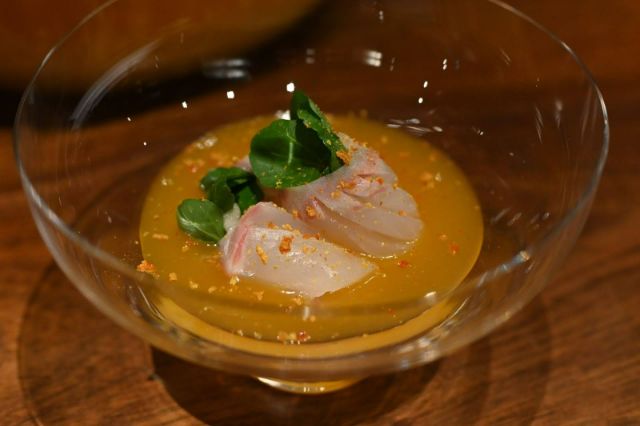

Intro
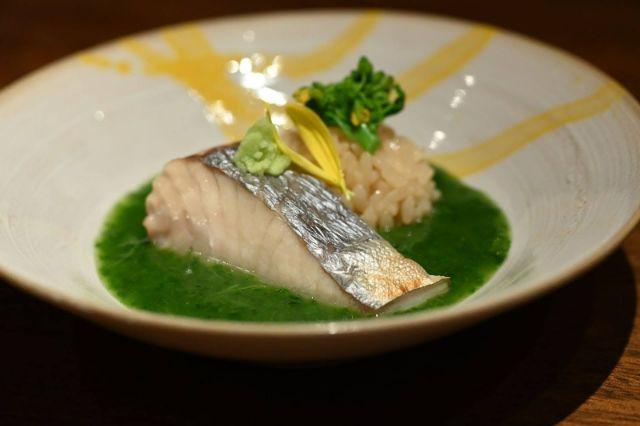
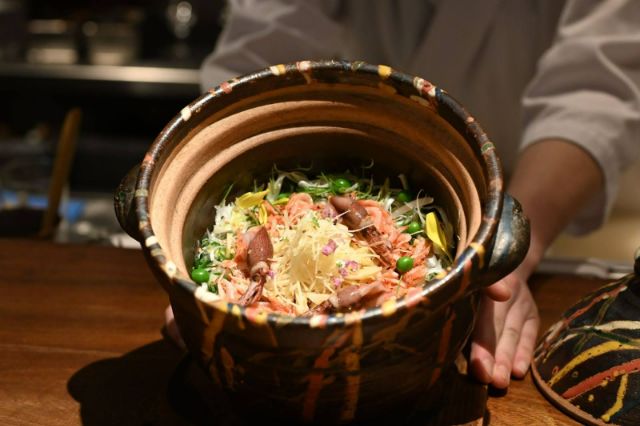
We visited to get an inside look at Honda’s seasonal omakase course. While we enjoyed a wide range of high-quality Japanese seafood, hand-cut soba, Hida beef and clay-pot rice, chef Honda explained the fine points of his philosophy and approach to fermentation in creating a creative course that excites all the way to dessert.
honda Azabujuban Branch
Closed: Sunday
Average price: [Dinner] 10,000 JPY
Access: 5-minute walk from Azabu-juban Station (Exit 7) on the Toei Oedo Line
Address: 2F-2, DKNS Azabu, 2-8-3, Azabujuban, Minato-ku, Tokyo Map
More Details Reservation
Ferments for the Win
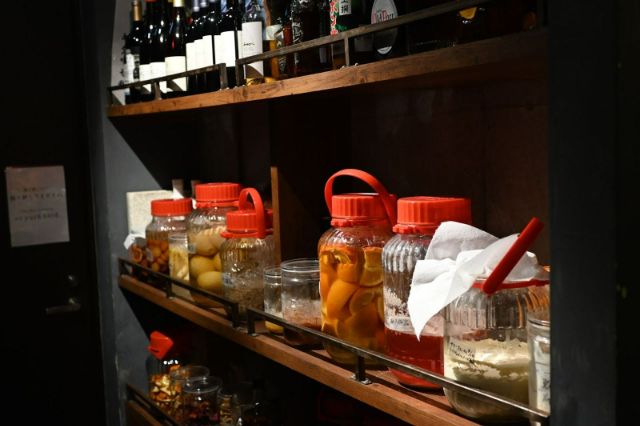
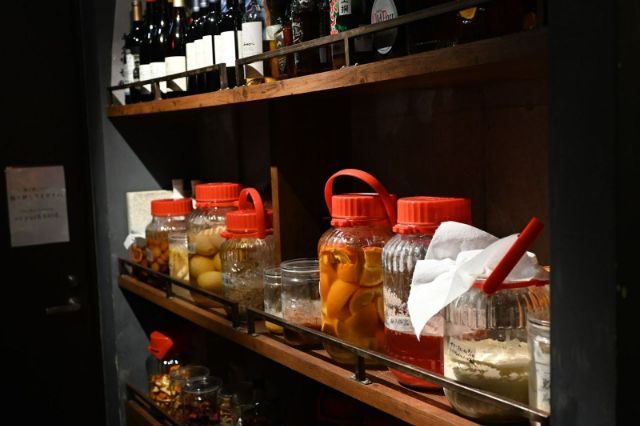
Trot up the stairs and open the door to be greeted immediately by a narrow corridor packed in one one side by a wine fridge and on the other by a shelf of homemade ferments. Among them, kombuchas with suspended citrus halves and mysterious jars of liquid ranging from pale and cloudy to vibrantly orange.
The specimen collection extends onto the counter, where clearly labeled containers note the contents and bottling date. Mr. Honda, Chef-owner of both Honda Azabujuban and Honda Akasaka, explains that despite appearances, he’s only been working on home-made ferments for about a year, not even long enough to have produced a cooking-ready batch of miso.
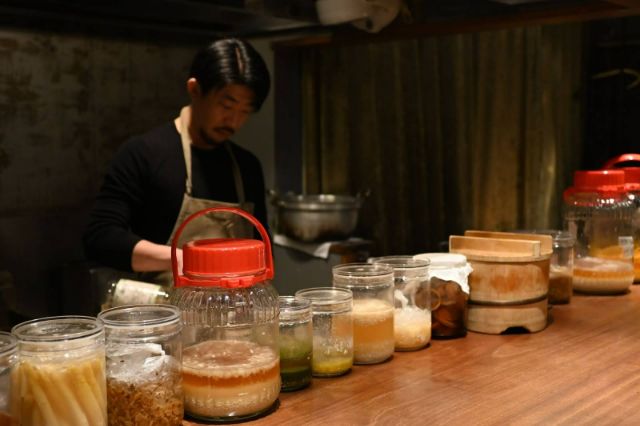
Despite being a relatively new addition to Honda’s repertoire (the restaurant has been in business for 13 years), the menu has come to rely heavily on the magic of fermentation for its intense flavor profiles.
Japanese Food with Unapologetic Personality
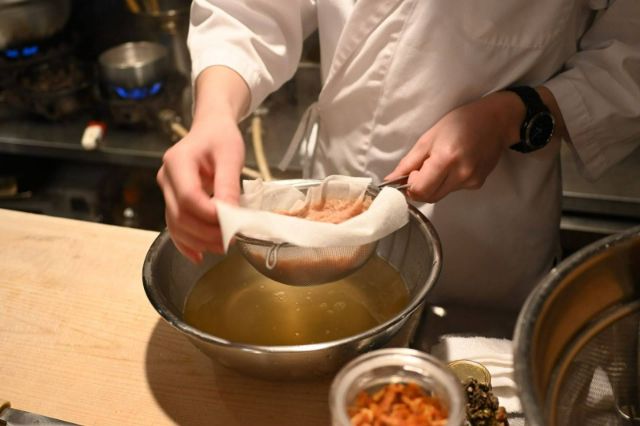
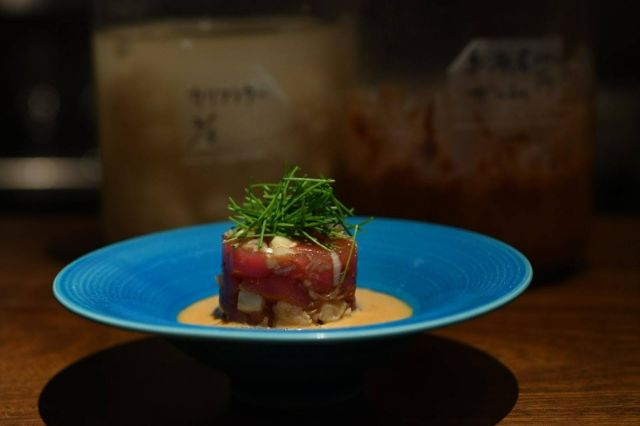
Chef Honda describes his cooking as “creative Japanese food”, and for someone who has only left his home country twice, he has managed to create a menu that would feel right at home in a wa-fusion restaurant in New York. The fermentation styles used are largely associated with Western cuisine, and even the Japanese elements get unique treatments, like the use of a tuna dashi as well as the classic bonito one for a more impactful first sip of umami-rich broth.
The flavors throughout the course are intense, often salt and umami forward. The delicacy of washoku, those parts that root the menu in Japanese food, is more evident in plating and ingredient quality. Highlighting the effects of fermentation inherently eclipses the philosophy of “let the ingredient speak for itself,” making the meal feel heartier than its classical kaiseki appearance would lead diners to expect.
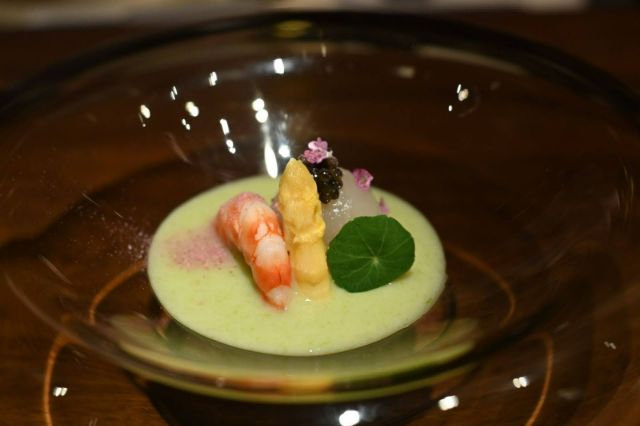
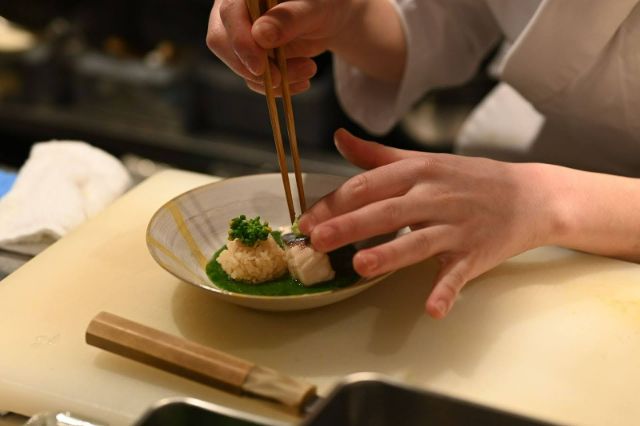
A standout course is the amazake-based hassun of sorts. It’s not technically a hassun, and the course isn’t designed to mimic kaiseki exactly, but having familiar washoku touchpoints in form and function eases diners into the strong forces at work. This dish changes through the seasons, as is typical of Japanese courses, but always uses a homemade amazake base.
The appearance of the spring version contrasts bright orange kuruma-shrimp with dried sakura powder and the creamy yellow of fermented white asparagus, all of which rest in grass-green asparagus amazake. Amazake itself is a fermented rice soup/drink, often served warm in winter to fortify chilly bodies. Here, its natural sweetness compliments the shrimp, while cushioning the impact of the deliciously cheesy white asparagus tip. Using lactic fermentation turns the simple white asparagus into a briny, crispy bite, almost parmesan-esque in its nuttiness.
Made with Health in Mind
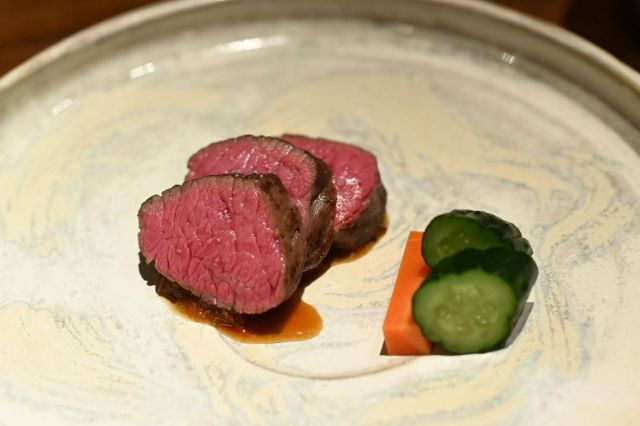
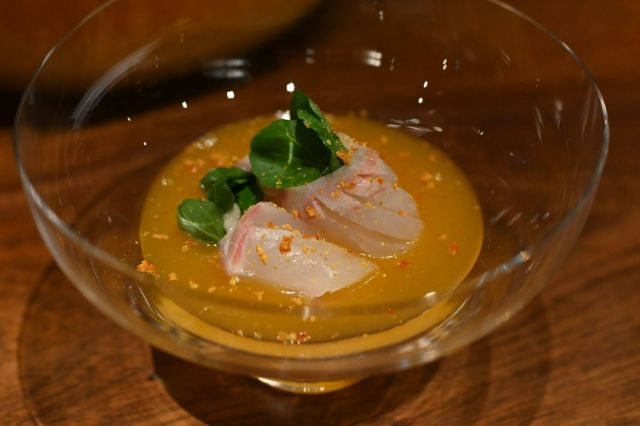
However, chef Honda says that while it's partly an expression of his personal preferences, he also chooses to serve lean tuna and beef tenderloin because his course is built with healthfulness as a guiding principle. Using leaner cuts is better suited to the fermented sauces and flavorings he pairs with each course, and the two both support diner wellbeing.
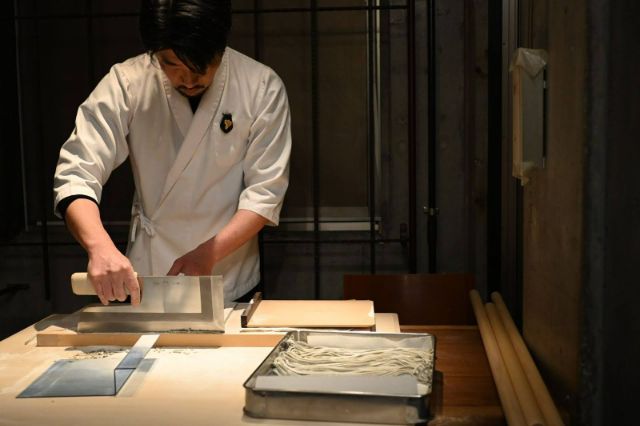
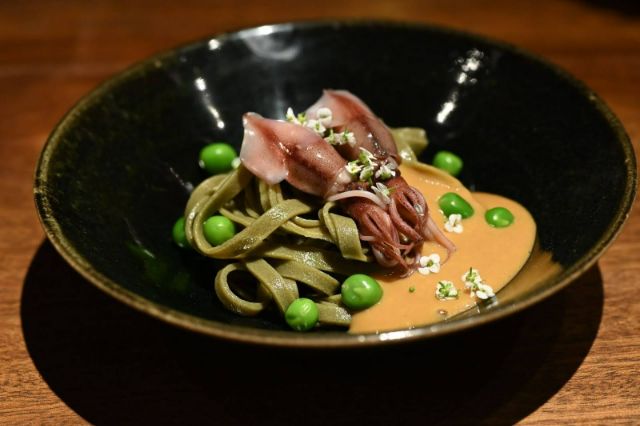
The same is true regarding one of the restaurant’s signature dishes, its hand kneaded and knife-cut moringa soba, an original take on Japan’s traditional tea-infused buckwheat noodles, cha-soba. The soba flour base is a classic Tokyo 2-8 soba, which becomes a mossy green with the introduction of moringa powder.
Moringa is often called a superfood. It’s high in antioxidants, fights inflammation and supports the GI system, and some studies show that it may have potential in cancer and weight loss treatments. Fans of matcha will find that the moringa flavor is not dissimilar – also grassy and bitter, with a forest-y aftertaste. In a word, it tastes healthy, a great match for earthy buckwheat.
honda Azabujuban Branch
Closed: Sunday
Average price: [Dinner] 10,000 JPY
Access: 5-minute walk from Azabu-juban Station (Exit 7) on the Toei Oedo Line
Address: 2F-2, DKNS Azabu, 2-8-3, Azabujuban, Minato-ku, Tokyo Map
More Details Reservation
Two chefs, one counter
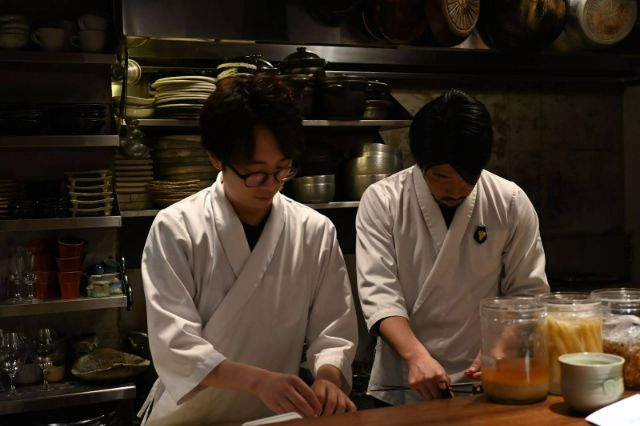
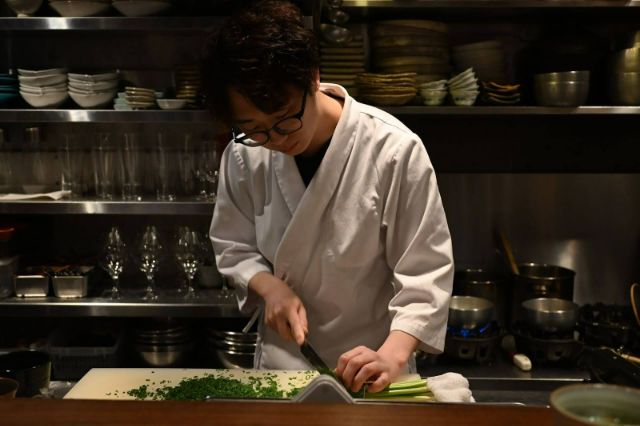
Over his 20-plus year career, Chef Honda has polished his skills in a variety of disciplines, not just fermentation, but also wine, Japanese cuisine and yakitori. He worked at a soba restaurant as a young man, a legacy he conveys through his mastery over traditional soba-making techniques.
While Mr. Honda admits making it by hand is a workout and time consuming, he’s a personal fan of soba, and considers it an important part of his identity as a chef. By serving the dish that helped shape his career, the chef shares pieces of his personality and story with each guest, whether they know it or not.
A Unique Beverage Menu
While the walls of the restaurant pay homage to California’s wine regions, using maps of the state as decor, Chef Honda actually harbors a strong passion for orange (largely Australian) and domestic wines. Considering this is a chef who finds ways to sneak funky original ferments into nearly every dish, these preferences come as no surprise.
The hallmarks of natural and orange wines are effortless fits for his cuisine. Likewise, the adoption of domestic grapes – Chef Honda highlights the soy sauce notes present in some Japanese wines as particularly appealing – represents a bold choice that, like his dishes, fuse Japanese and western sensibilities and embrace novelty.
An Eclectic Corner of Azabujuban
Even the Akasaka location has a different atmosphere, more casual, and welcoming to larger groups of guests. At this original location, Chef Honda puts his back into (literally, with all the soba rolling) crafting unforgettable meals night after night, while guests enjoy watching his team from the counter.
honda Azabujuban Branch
Closed: Sunday
Average price: [Dinner] 10,000 JPY
Access: 5-minute walk from Azabu-juban Station (Exit 7) on the Toei Oedo Line
Address: 2F-2, DKNS Azabu, 2-8-3, Azabujuban, Minato-ku, Tokyo Map
More Details Reservation
Disclaimer: All information is accurate at time of publication.
Thank you for reading our article.
Our goal is to take your culinary journey to the next level by helping you find the best restaurant. With SAVOR JAPAN, you can search and make reservations for
the Kaiseki, Soba, Japanese Cuisine and Sashimi/ Seafood restaurants found in and around Roppongi that fill your needs.
Discover more Kaiseki, Soba, Japanese Cuisine and Sashimi/ Seafood restaurants by area
- Tokyo Area
- Near Tokyo
- Kyoto and Osaka Area
- Hokkaido Area
- Northern Honshu (Tohoku)
- Central Honshu (Chubu)
- Western Honshu (Chugoku)
- Shikoku
- Kyushu
- Okinawa and Ryukyu Islands
Discover more restaurants to eat Japanese Cuisine, Japanese Cuisine, Japanese Cuisine and Japanese Cuisine by area
Keywords
Related Articles
-
Must-Visit Kaiseki and Japanese Restaurants in Fukuoka
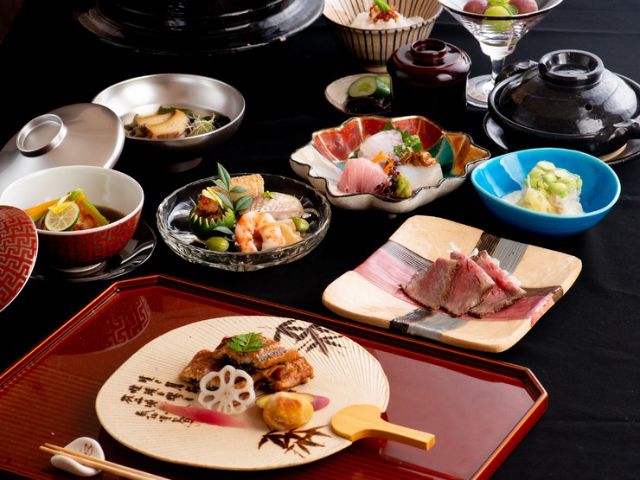
How about enjoying a course meal featuring kaiseki cuisine and traditional Japanese dishes? In Fukuoka Prefecture, including Hakata and Kitakyushu, we introduce recommended restaurants where one can fully savor the charm of seasonal Japanese cuisine. Experiencing local flavors and seasonal delicacies is sure to create wonderful memories of the trip.
-
Tokyo October: Japanese Dining with Art & Vegan Shojin Ryori Omakase in Omotesando
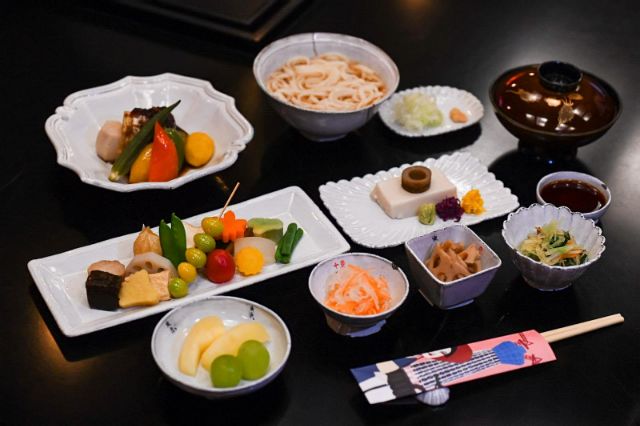
Tokyo October serves classical washoku, including vegan shojin ryori and kaiseki in a space that looks like a temple directed by French artistes. The art and architecture comes from renowned design houses, while the food is created by a chef with a deep passion for and study of washoku. He’s followed the traditional cuisine of Japan down to its roots for over thirty years, specializing in Japanese tea ceremony and gastronomy.
-
THE SAKAI Tokyo Kyobashi: Art-Infused Omakase Sushi Experience
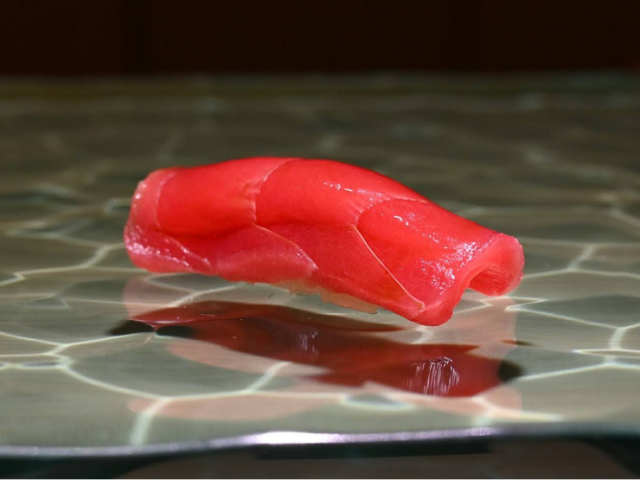
Experience sushi mastery born in Frankfurt Germany and reinvisioned at its roots. THE SAKAI Tokyo, part of Chef Hiro Sakai’s MICHELIN award winning brand, is the newest addition to its legacy of international sushi culture. Visit in Kyobashi for a full culinary experience made with respect for international guests and local authenticity.
-
Azabudai Yuuri, a Bold New Sushi Omakase Near Tokyo Tower
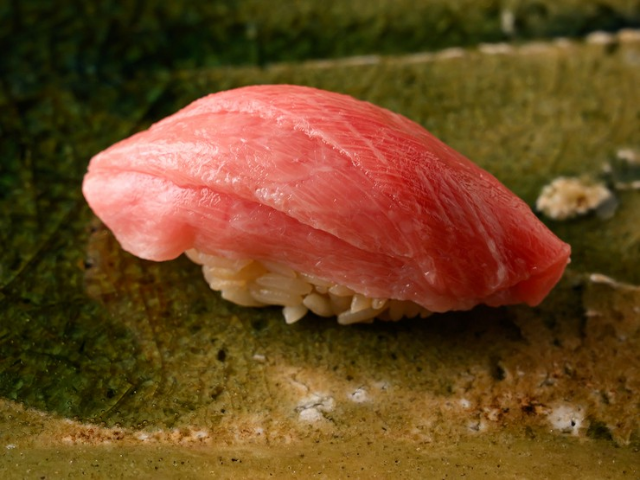
When restaurants make the decision to appeal to international visitors, they often choose one of two routes: focus on cuisine that global guests will recognize, or hope they’ll learn to tread water with an immersion in Japanese tradition. At his new sushi restaurant near Azabudai Hills and Tokyo Tower, head chef Takahashi Yuta uses his childhood abroad to forge a third route: livening up Edomae sushi with clear English and a big personality.
-
Kaiseki Mita Basara Bettei : Wagyu Sukiyaki for Lunch in Roppongi, Tokyo
Enjoy creative wagyu beef sukiyaki hot pot at this English-friendly fine dining venue in Tokyo. During a meal at Kaiseki Mita Basara Bettei, diners enjoy the spectrum of Japanese cuisine — from traditional to original — in a hideaway venue just minutes from Roppongi.
![[2026] Rainy Days are Beautiful. Kyoto Hydrangea Spots and Nearby Gourmet Guide](https://rimage.savorjapan.com/svj/image/discover_oishii_japan/7029/article_head.jpg?t=1775636401)
New Articles
-
Beyond Sushi: Discover Robatayaki and Fresh Seafood in Nakano, Tokyo
-
More Than Chicken Soup: Mizutaki at Hakata Hanamidori
-
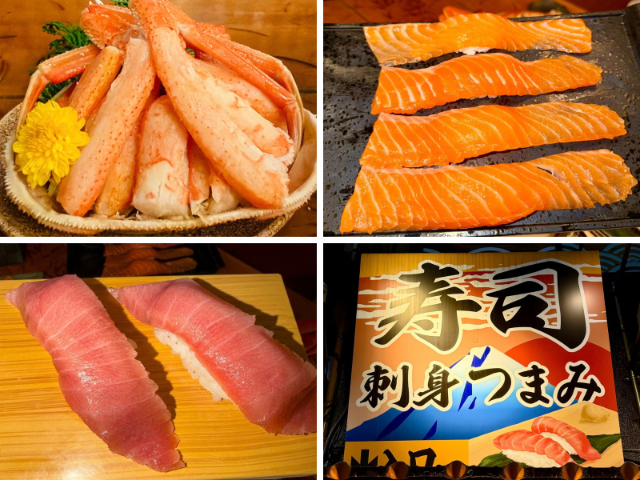
All-You-Can-Eat Sushi & Snow Crab in Tokyo: Ultimate Seafood Experience at Fujiyama Akihabara
-
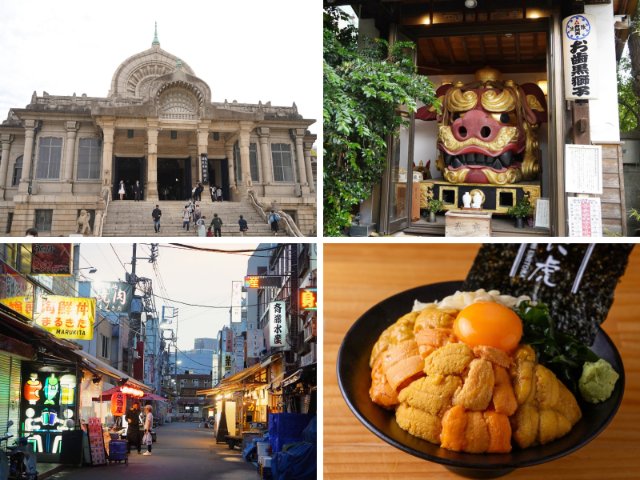
Tsukiji Market Half-Day Walking Guide | 5 Must-Visit Attractions + Most Efficient Route (Including Transportation and Business Hours Summary)
-
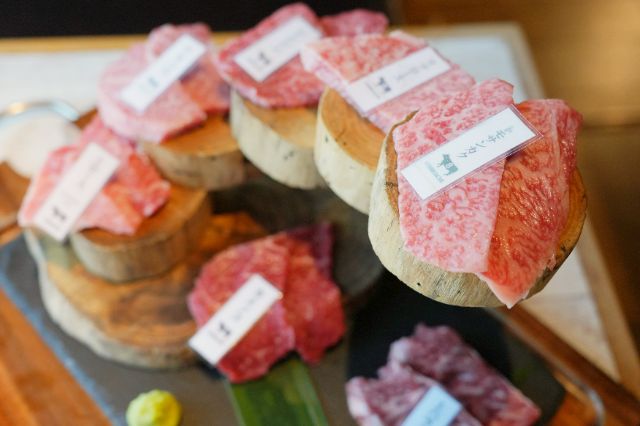
Ueno Wagyu Yakiniku USHIHACHI Kiwami | A Guide to Black Wagyu Beef Yakiniku Near Ueno Station
Categories
Cuisine
- Bars (24)
-
Japanese Cuisine (713)
- Kaiseki (51)
- Nabe (23)
- Okonomiyaki (25)
- Shabu Shabu (39)
- Soba (19)
- Sushi (151)
- Tempura (22)
- Teppanyaki (46)
- Shojin Ryori (4)
- Tonkatsu (16)
- Kushiyaki (10)
- Yakitori (46)
- Sukiyaki (36)
- Japanese Cuisine (344)
- Oyster (3)
- Sashimi/ Seafood (35)
- Unagi (eel) (39)
- Motsu Nabe (offal hotpot) (12)
- Mizutaki (chicken hot pot) (5)
- Oden (9)
- Kaisendon (seafood bowl) (12)
- Udon (3)
- Taverns(Izakaya) Cuisine (138)
- Western Cuisine (42)
- Italian/French Cuisine (98)
- Yakiniku/Steak (237)
- Chinese Cuisine (27)
- Ramen (Noodles) Cuisine (25)
- Cafe/Sweets (71)
- Other Asian Cuisine (5)
- Global/International Cuisine (7)
- Alcohol (59)
- Other (11)
Area
- Shikoku (10)
- Kyoto and Osaka (358)
-
Tokyo (496)
- Tokyo (310)
- Ginza (51)
- Roppongi (26)
- Shibuya (30)
- Shinjuku (51)
- Asakusa (21)
- Ebisu (15)
- Tsukiji (13)
- Tokyo Landmarks (5)
- Ueno (25)
- Akihabara (10)
- Ikebukuro (14)
- Jiyugaoka, Denenchofu, Nakameguro (9)
- Shimokitazawa (4)
- Kichijoji (3)
- Tachikawa (1)
- Omotesando, Harajuku, Aoyama (20)
- Akabane (1)
- Kagurazaka (4)
- Akasaka (9)
- Odaiba (2)
- Tsukishima, Harumi, Toyosu (3)
- Near Tokyo (107)
- Okinawa and Ryukyu Islands (59)
- Hokkaido (125)
- Northern Honshu (Tohoku) (31)
- Central Honshu (Chubu) (146)
- Western Honshu (Chugoku) (33)
- Kyushu (98)
Archives
- October 2026(3)
- September 2026(7)
- August 2026(6)
- July 2026(11)
- June 2026(10)
- May 2026(7)
- April 2026(18)
- March 2026(3)
- February 2026(13)
- January 2026(11)
- December 2025(9)
- November 2025(4)
- October 2025(3)
- September 2025(6)
- August 2025(11)
- July 2025(19)
- June 2025(18)
- May 2025(34)
- April 2025(43)
- March 2025(30)
- February 2025(36)
- January 2025(26)
- December 2024(69)
- November 2024(31)
- October 2024(15)
- September 2024(38)
- August 2024(65)
- July 2024(31)
- June 2024(54)
- May 2024(61)
- April 2024(28)
- March 2024(31)
- February 2024(42)
- January 2024(32)
- December 2023(20)
- November 2023(5)
- October 2023(10)
- September 2023(7)
- August 2023(18)
- July 2023(8)
- June 2023(8)
- May 2023(18)
- April 2023(15)
- March 2023(1)
- January 2023(1)
- April 2022(2)
- March 2022(2)
- February 2022(1)
- January 2022(1)
- July 2021(1)
- March 2021(1)
- February 2021(1)
- December 2020(1)
- October 2020(1)
- September 2020(2)
- August 2020(10)
- July 2020(6)
- June 2020(9)
- May 2020(11)
- April 2020(8)
- March 2020(8)
- February 2020(13)
- January 2020(9)
- December 2019(24)
- November 2019(8)
- August 2019(14)
- July 2019(15)
- June 2019(18)
- May 2019(17)
- April 2019(16)
- March 2019(22)
- February 2019(22)
- January 2019(26)
- December 2018(34)
- November 2018(40)
- October 2018(32)
- September 2018(11)
- August 2018(8)
- July 2018(6)
- June 2018(9)
- May 2018(10)
- April 2018(21)
- March 2018(74)
- February 2018(39)
- January 2018(26)
- December 2017(60)
Keywords
- Omakase
- Accessible
- Affordable
- All-You-Can-Eat
- Amazing Scenery
- anime
- Art
- Autumn
- Awards
- Beer Gardens
- Breakfast
- Chef Recommendations
- Cherry Blossoms
- Chinese
- Close To Station
- Condiments
- Counter
- Coupon
- Crab
- Culture
- Dassai
- Dates
- delivery
- Early Summer
- Editor's Recommendation
- English Available
- Event
- Expo
- Fall Leaves
- Family-Friendly
- Famous Restaurant
- Famous Tourist Spot
- Fast Food
- festival
- fireworks
- Flower Farm
- Free Wi-Fi
- French
- Great Location
- Guide
- Halal
- Hibachi
- hotpot
- How To
- hydrangea
- Hygiene
- Illumination
- Italian
- Izakaya
- Japanese
- Japanese alcohol
- jingisukan
- Kaiseki
- Kappo
- Kushiage
- Kushikatsu
- Kyoto
- Late-Night
- Lunch
- Manners
- matsusakagyu
- Michelin
- mizutaki
- Model Course
- monjayaki
- motsunabe
- Mt.Fuji
- Multilingual Menus
- Nabe
- Narita Airport
- New Year
- Ninja
- Noodle
- Oden
- Okonomiyaki
- omotenashi
- Onsen
- Osaka
- Osaka Station
- Photogenic Site
- pizza
- PR
- Private Room
- Ramen
- ranking
- Recipe
- Regional Cuisine
- Resort
- Rice Bowl Dish (Donburi)
- robata
- sacred places
- Sake
- Sakura
- Sashimi
- sea urchin
- Setouchi Area
- Shabu Shabu
- sightseeing
- Signature Dish
- Soba
- Solo Diners Welcomed
- Spicy Food
- Spring
- Steak
- Summer
- Sunflower
- Sushi
- takeout
- Teppanyaki
- Terrace Seating
- Tokyo
- Tokyo Experiences
- Tokyo Skytree
- Tokyo Tower
- unagi
- UNESCO
- Vegan
- Vegetarian
- Wagyu
- What Popular Gourmet Sites Recommend
- Whisky
- Wine Bar
- Winter
- Wisteria
- Workshop
- World Heritage Site
- World Writers
- Yakiniku
- Yoshoku
- Yuba
- Zen
Discover Restaurants By Area
-

Tokyo Area
Japan's largest city, Tokyo, is the center of culinary culture in Japan. Countless Tokyo restaurants serve every kind of food imaginable and the Toyosu fish market keeps restaurants stocked with the nation's finest fish.
-

Near Tokyo
Coastal areas, mountains and valleys surrounding Tokyo are bursting with tourist destinations, such as hot springs and ski slopes, where many unique foods are only available locally.
-

Kyoto and Osaka Area
The cities of Kyoto and Osaka, together with their surrounding areas, have greatly influenced Japan's culinary culture since the 7th Century. The region is renowned for its entertainment, Kobe beef, and wide-ranging traditional dishes.
-

Hokkaido Area
The island of Hokkaido is home to wide-ranging produce of the finest quality, such as rice, meat, vegetables, fish and fruit. Popular dishes from Hokkaido include robatayaki (food slowly roasted on skewers) and Sapporo miso ramen.
-

Northern Honshu (Tohoku)
The northern end of Japan's main island, Honshu, is renowned for its seasonal fruit and vegetables, nation-leading harvest of fish (especially tuna from Ohma), and delicious beef from Yonezawa, Sendai and Yamagata.
-

Central Honshu (Chubu)
Chubu is in the center of Japan's main island, Honshu, and its culinary culture reflects its position between Japan's western and eastern halves. Delicious Hida beef, world-famous Mount Fuji and many acclaimed sake breweries are in Chubu.
-

Western Honshu (Chugoku)
Chugoku, on the southwest of Japan's main island, is rich with diverse produce. Many of its products are praised as Japan's best, including Matsuba crabs from Tottori and oysters from Hiroshima. Its pears and muscats are also top grade.
-

Shikoku
The mild climate of Shikoku is ideal for growing citrus fruit such as sudachi. Shikoku is also famous for Sanuki udon noodles, huge yields of tiger prawn from Ehime Prefecture and the best torafugu (tiger globefish) in the country.
-

Kyushu
Western culture was first introduced to Japan through Kyushu, Japan's third largest island, where the influence of Portuguese and other western cuisine influenced the creation of a colorful culinary tradition.
-

Okinawa and Ryukyu Islands
Okinawa, Japan’s southernmost prefecture, is a treasure trove of distinctive dishes and drinks that have become popular throughout Japan, including Okinawa soba, unique sushi toppings and Awamori distilled liquor.