Kagurazaka, Tokyo: Hidden Alleys, Shrines, Cats and Japanese Food
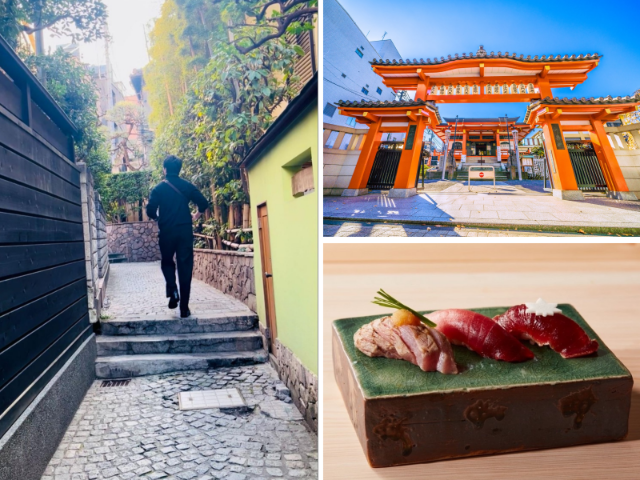
Kagurazaka is sometimes called “Tokyo’s Little Paris,” but its charm goes beyond its French influence. The neighborhood’s former geisha-district history is still reflected in its discreet lanes, traditional buildings, and tucked-away restaurants.

Akagi Shrine: A Contemporary Shrine Designed by Kengo Kuma
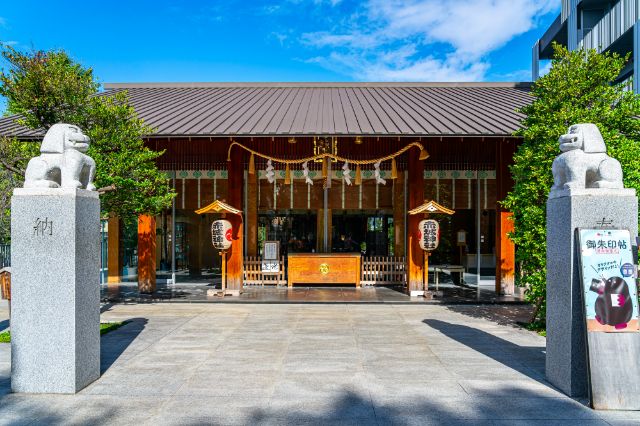
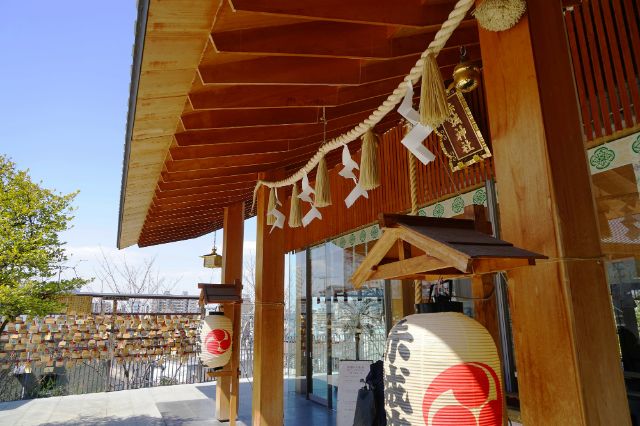
Start your day at Akagi Shrine, a striking example of how traditional Japanese culture and contemporary architecture can come together. The shrine was redesigned by architect Kengo Kuma, whose modern approach gives the grounds a clean, open feel while preserving their spiritual atmosphere.
The glass-and-wood architecture stands out from the more traditional shrines you may have visited in Tokyo. It feels especially distinctive against the surrounding neighborhood, where older streets and modern buildings sit side by side.
Take a moment to explore the grounds, observe the details of the architecture, and enjoy the peaceful atmosphere. It is a lovely first stop before heading into the busier streets of Kagurazaka.
Bishamonten Zenkoku-ji: A Red Gate and a Taste of History
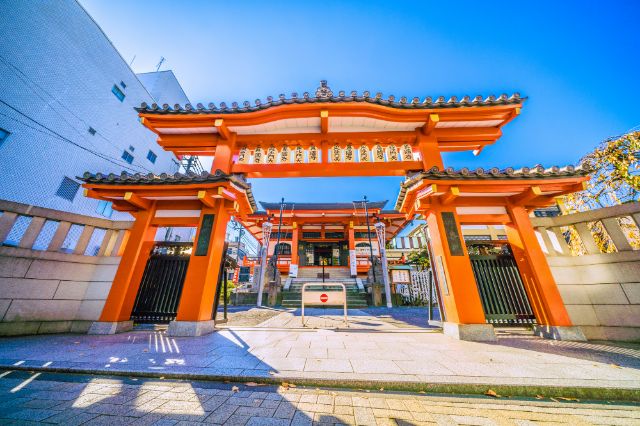
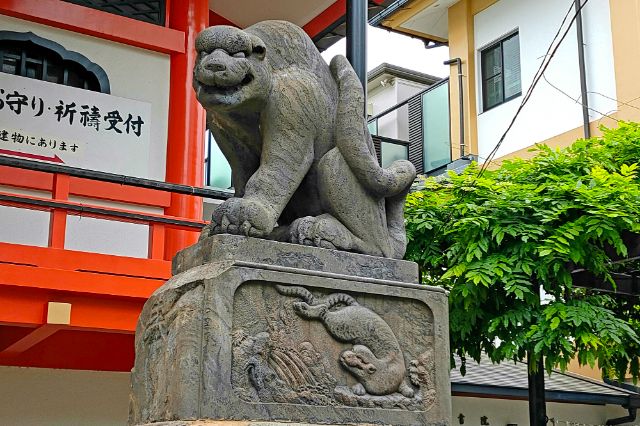
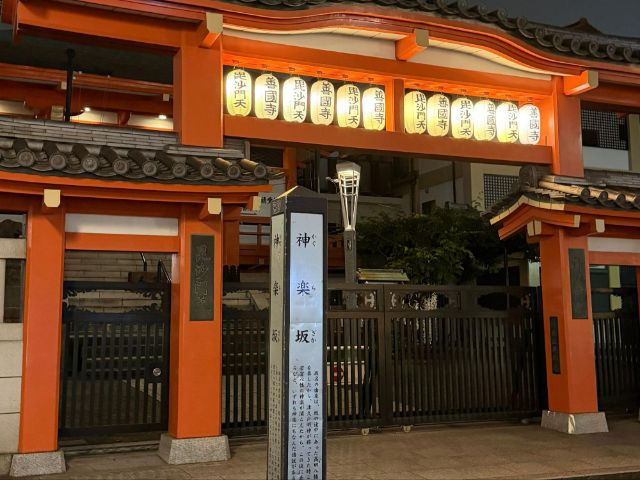
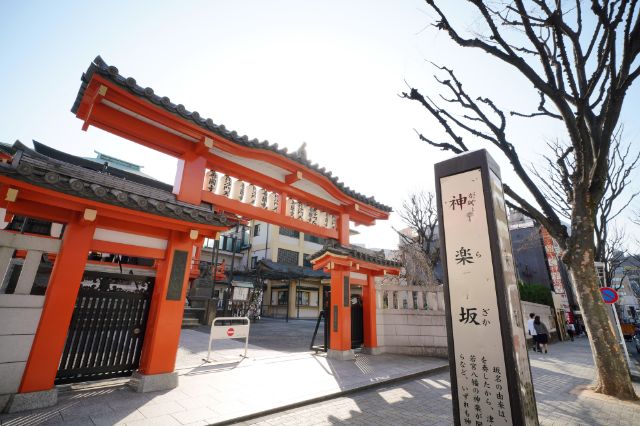
From Akagi Shrine, make your way toward Bishamonten Zenkoku-ji, one of Kagurazaka’s best-known landmarks. The temple is easy to recognize by its vivid red gate, which stands out along the neighborhood’s main street.
Dedicated to Bishamonten, one of the Seven Lucky Gods in Japanese tradition, the temple has a long history and remains an important local place of worship. Its location in the middle of Kagurazaka makes it a natural stop as you explore the area.
Even if you are only visiting briefly, it is worth stepping inside the grounds and taking in the contrast between the temple’s traditional atmosphere and the shops and cafés nearby.
Kagurazaka Bakeneko Festival: A Cat-Themed Halloween Event in October
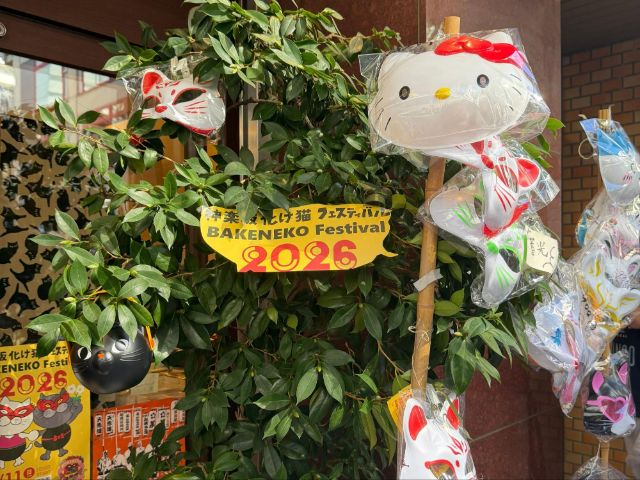
If you are visiting on October 11, 2026, you can also plan your trip around the Kagurazaka Bakeneko Festival. The event is inspired by the Japanese supernatural cat known as the bakeneko and brings a playful, cat-themed atmosphere to the neighborhood.


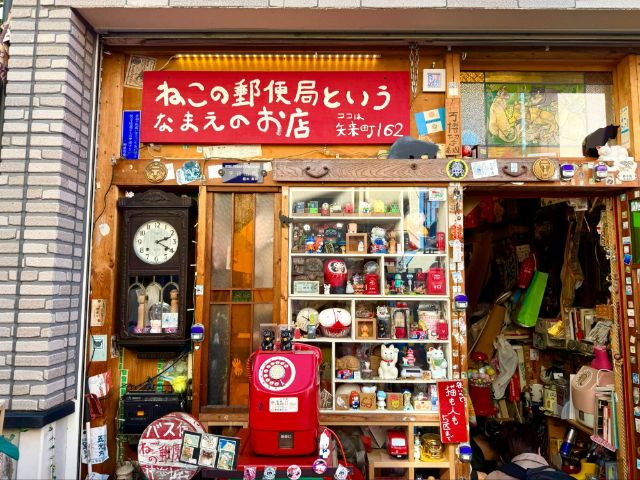
Even if your trip does not coincide with the festival, keep an eye out for cat-themed goods and small shops as you wander through the area. They add a little extra character to Kagurazaka’s streets.
Lunch at Kagurazaka Oishinbo Honten: Traditional Japanese Food and Yuba
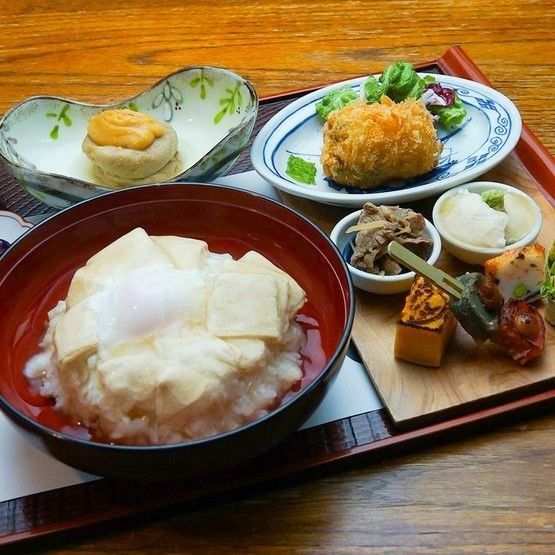
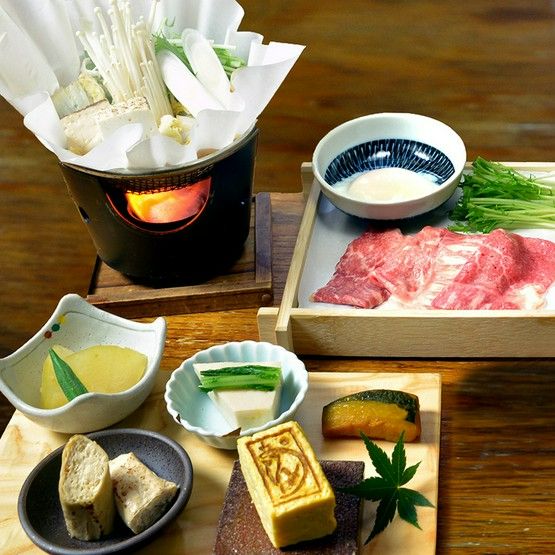
After exploring the shrines and temples, it is time for lunch at Kagurazaka Oishinbo Honten. The restaurant offers a chance to enjoy Japanese cuisine in a setting that feels connected to the neighborhood’s traditional atmosphere.
One of the highlights is yuba, the delicate skin that forms when soy milk is heated. It has a subtle flavor and soft texture, making it a lovely ingredient in refined Japanese dishes. If you have not tried yuba before, lunch is a good opportunity to discover it.
Kagurazaka Oishinbo Main Branch
Closed: Tuesday
Average price: [Dinner] 6,000 JPY / [Lunch] 1,500 JPY
Access: 10 minutes walk from West Exit of JR Iidabashi Station, Exit B3 of Tokyo Metro Iidabashi Station, and Exit A3 of Subway Toei Oedo Line Ushigome-Kagurazaka Station
Address: 4-8, Kagurazaka, Shinjuku-ku, Tokyo Map
More Details Reservation
Explore Kagurazaka’s Hidden Alleys: Hyogo Yokocho and Kakurenbo Yokocho
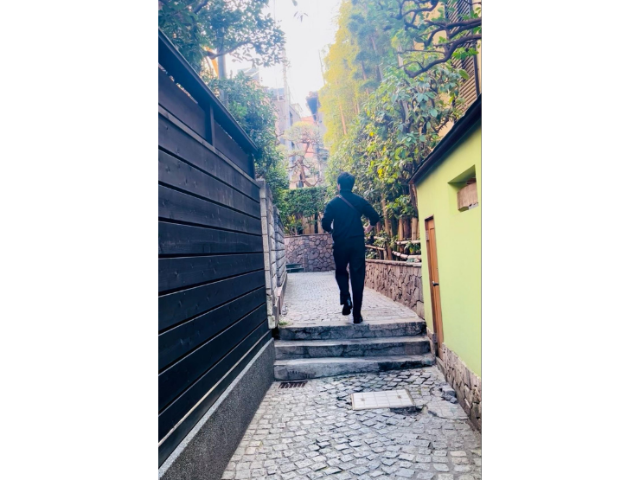
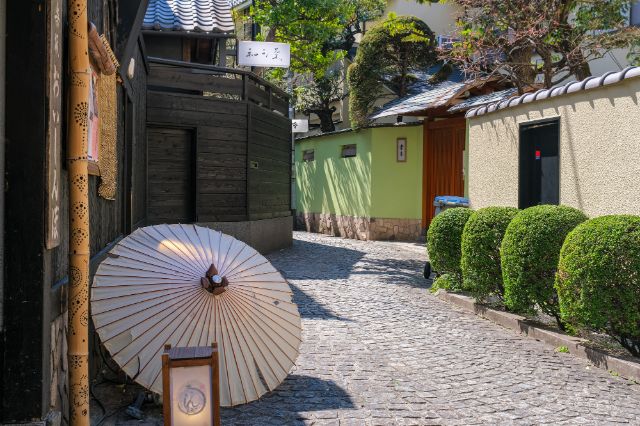
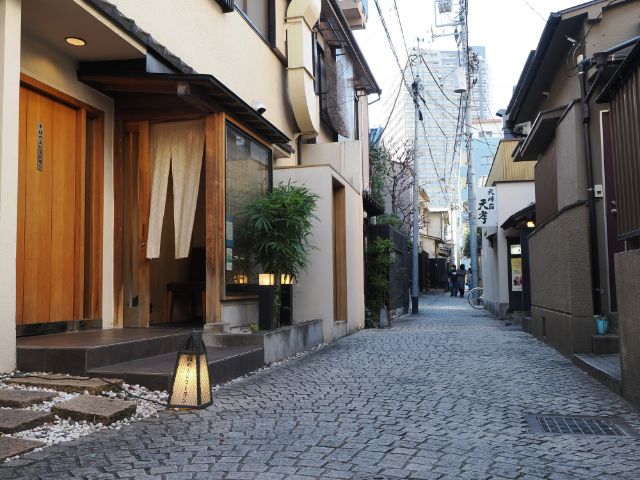
Nearby, Kakurenbo Yokocho is another charming alley to explore. Its name evokes the idea of hide-and-seek, and the lane’s winding layout makes it feel like a little discovery within the city. Look out for discreet restaurant entrances and old-fashioned details as you walk.
These alleys are best enjoyed at a relaxed pace. Be mindful that some buildings are private residences and many restaurants are small businesses, so keep noise low and avoid photographing people or private spaces without permission.
Canal Cafe: An Afternoon Break by the Water
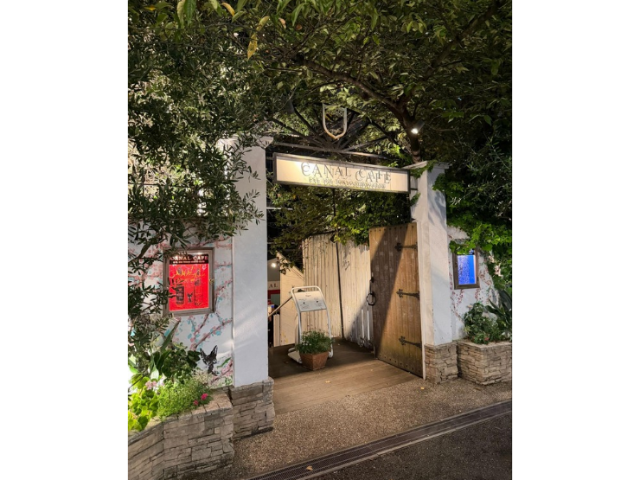
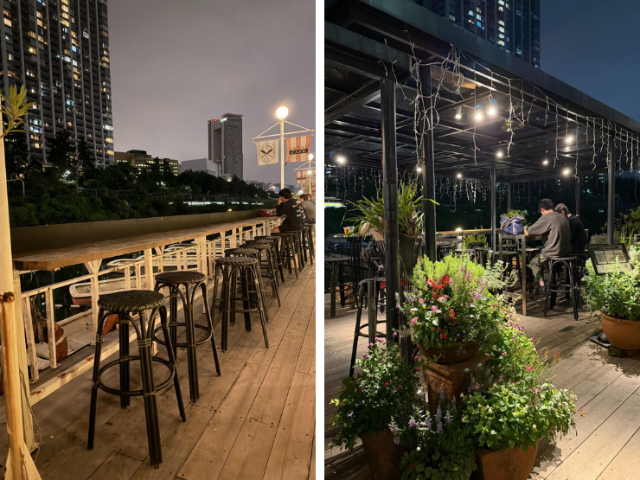
The café is especially pleasant in the late afternoon or early evening, when you can take a seat and enjoy a slower moment before dinner. Depending on the weather and seating availability, you may be able to sit outdoors and watch the water.
Dinner in Kagurazaka: Edomae Sushi at Kagurazaka Sushi Konkon
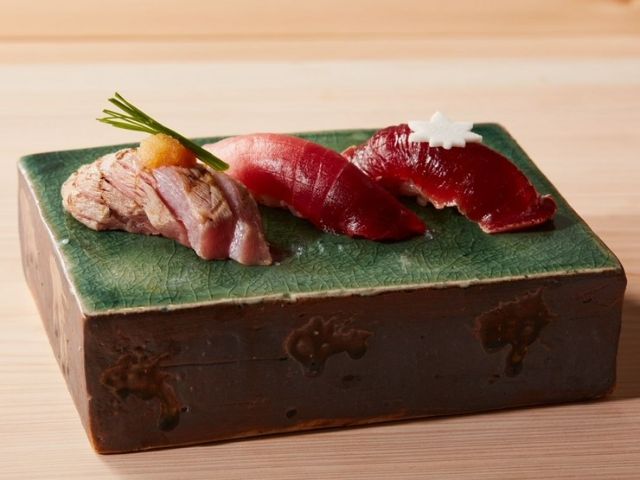
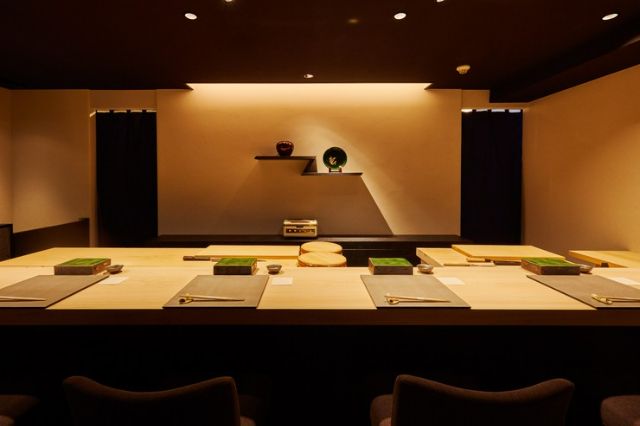

For dinner, consider Kagurazaka Sushi Konkon, where you can enjoy Edomae-style sushi in the heart of the neighborhood.
Edomae sushi is associated with Tokyo and traditionally emphasizes carefully prepared seafood, with techniques such as marinating, curing or lightly seasoning ingredients to bring out their flavor. The result is a style of sushi that focuses on balance and the quality of each piece.
Kagurazaka Sushi Konkon
Closed: Irregular
Average price: [Dinner] 15,000 JPY / [Lunch] 8,000 JPY
Access: 5-minute walk from Exit B4b of Iidabashi Station. It is on the 4th floor of the KARUKOZAKA PLACE building on the left after going up Karukozaka.
Address: 4F, KARUKOZAKA PLACE, 3-1, Kagurazaka, Shinjuku-ku, Tokyo Map
More Details Reservation
Dinner Near Kagurazaka: Toriyaki Ichi in Suidobashi
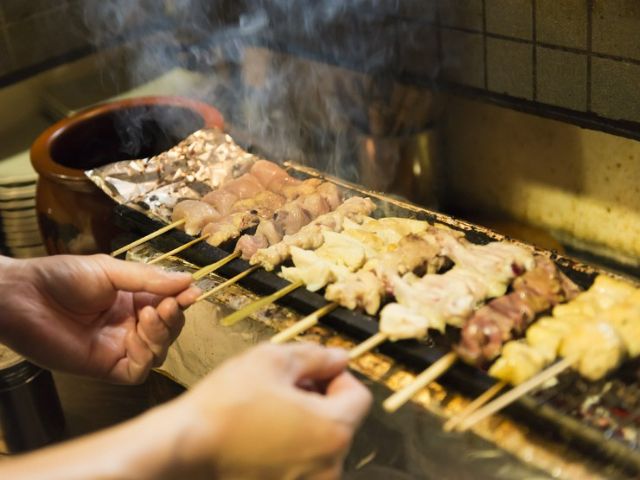
If you would rather try something other than sushi, or if you are looking for another dinner option nearby, consider Toriyaki Ichi in Suidobashi.
The restaurant specializes in chicken, making it a different kind of Japanese dining experience from the sushi option. Chicken-focused restaurants can offer a range of preparations and cuts, giving you the chance to explore flavors and textures beyond the more familiar yakitori staples.
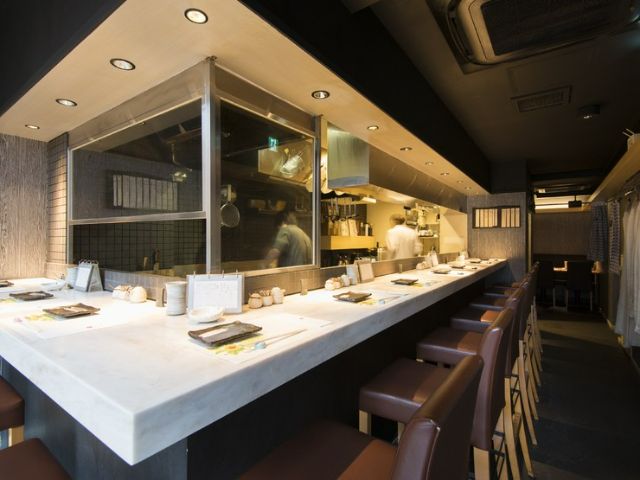

Suidobashi is close enough to include as an alternative ending to your Kagurazaka day, though it is a separate area rather than part of the neighborhood itself. Check the route and current opening information before setting off, and make a reservation if needed.
Whether you choose sushi in Kagurazaka or a chicken specialty in Suidobashi, both options offer a satisfying way to finish a day of sightseeing and food.
Toriyaki Hajime
Closed: Sunday, National Holidays
Average price: [Dinner] 4,500 JPY / [Lunch] 900 JPY
Access: 2-minute walk from the west exit of JR Suidobashi Station / 2-minute walk from Suidobashi Station on Toei Mita Line
Address: 2-18-2, Misaki-cho, Chiyoda-ku, Tokyo Map
More Details Reservation
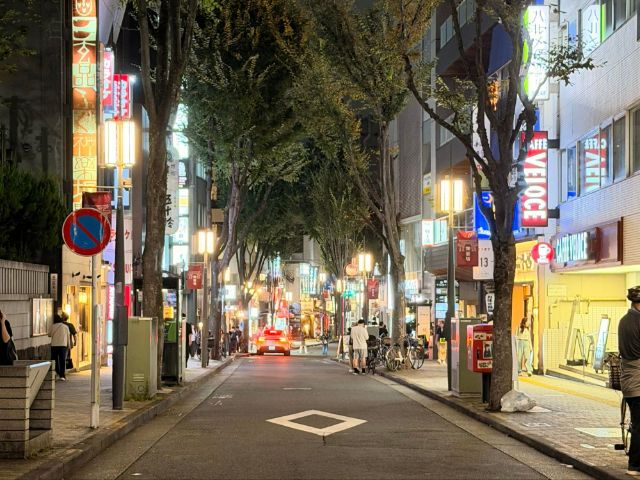
A Day of Culture, Hidden Streets and Japanese Food in Kagurazaka
Disclaimer: All information is accurate at time of publication.
Thank you for reading our article.
Our goal is to take your culinary journey to the next level by helping you find the best restaurant. With SAVOR JAPAN, you can search and make reservations for
the Kaiseki and Japanese Cuisine restaurants found in and around Kagurazaka that fill your needs.
Discover more Kaiseki and Japanese Cuisine restaurants by area
- Tokyo Area
- Near Tokyo
- Kyoto and Osaka Area
- Hokkaido Area
- Northern Honshu (Tohoku)
- Central Honshu (Chubu)
- Western Honshu (Chugoku)
- Shikoku
- Kyushu
- Okinawa and Ryukyu Islands
Discover more restaurants to eat Japanese Cuisine and Japanese Cuisine by area
Keywords
Related Articles
-
5 Restaurants in Tokyo with Extra Hygiene Measures to Fight Coronavirus
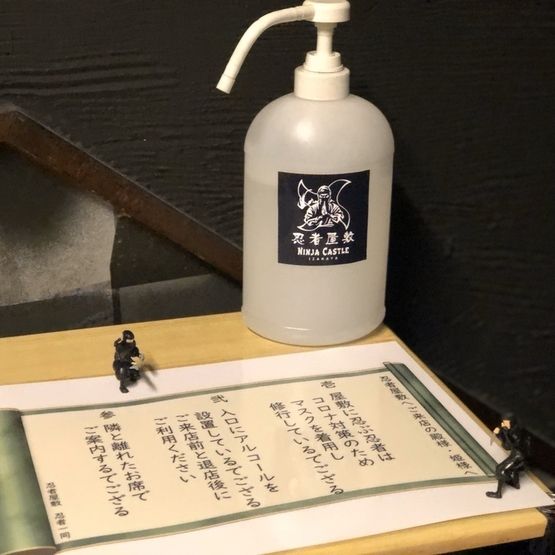
Is it safe now to eat out in Tokyo? Is it not? It is still in the gray area. But if you need some time to refresh your mind and belly, it might be the time to go out and eat, as long as you follow the safety protocol. It is now more important than ever to carefully choose where to eat. Many restaurants are taking extra steps to prevent the spread of coronavirus. How does the new normal in Japan look like for restaurants?
-

5 Selected Restaurants to Enjoy Delicious Japanese Cuisine in Ginza | Ginza
Ginza, Tokyo, is a sophisticated adult city lined with high-end brand flagship stores and department stores. There are many restaurants that exude luxury, perfect for special occasions, adult dates, and anniversaries. This time, they will introduce Japanese restaurants in Ginza where one can experience the essence of Japan.
-
Tokyo October: Japanese Dining with Art & Vegan Shojin Ryori Omakase in Omotesando
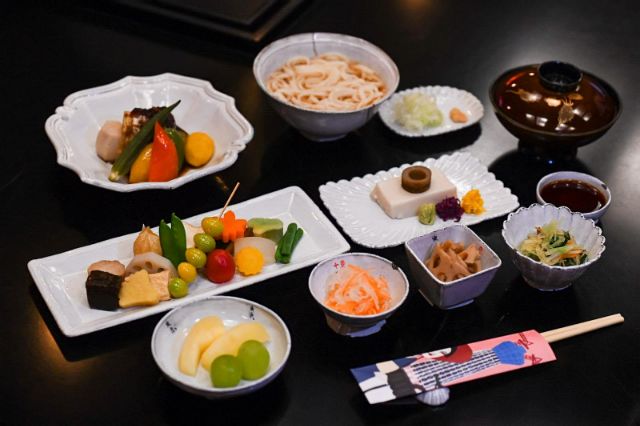
Tokyo October serves classical washoku, including vegan shojin ryori and kaiseki in a space that looks like a temple directed by French artistes. The art and architecture comes from renowned design houses, while the food is created by a chef with a deep passion for and study of washoku. He’s followed the traditional cuisine of Japan down to its roots for over thirty years, specializing in Japanese tea ceremony and gastronomy.
-
Where Kaiseki meets Fermentation: Experimental Washoku & Soba in Azabu-Juban at Hidden Gem Restaurant Honda
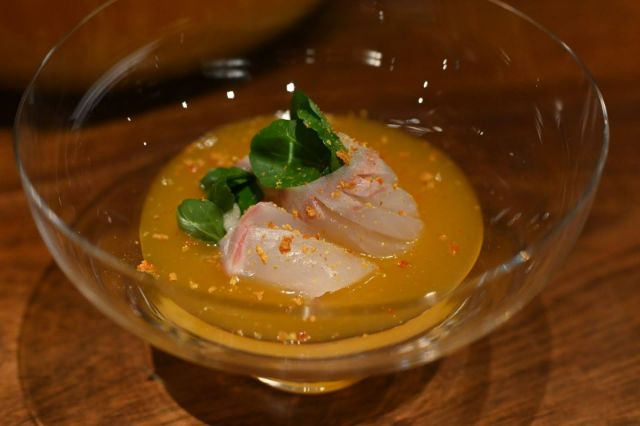
Honda Azabu-juban can be summed up in one word: eclectic. Its owner and mastermind, Chef Honda, is a sommelier, soba-artisan, and distinctly quirky guy wrapped in a cool chef package. For more than a decade, he has taken on independent challenges and devised menus that express his personality for guests’ enjoyment. In its current iteration, Chef Honda’s fermentation-forward course menu reinterprets Japanese food with creativity and confidence, blending classics with unexpected details that don’t fail to delight.
-
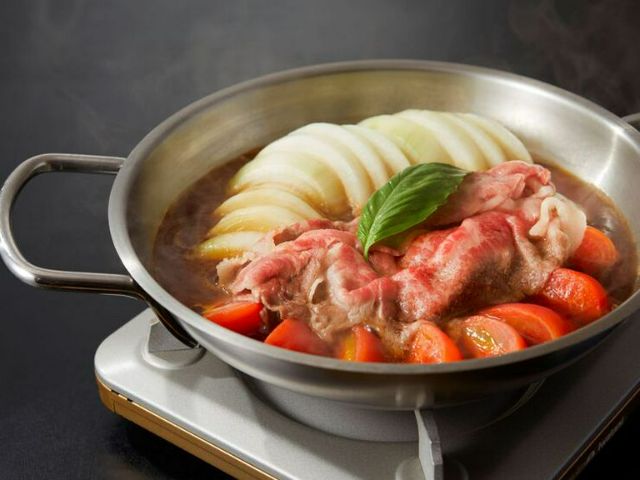
Kaiseki Mita Basara Bettei : Wagyu Sukiyaki for Lunch in Roppongi, Tokyo
Enjoy creative wagyu beef sukiyaki hot pot at this English-friendly fine dining venue in Tokyo. During a meal at Kaiseki Mita Basara Bettei, diners enjoy the spectrum of Japanese cuisine — from traditional to original — in a hideaway venue just minutes from Roppongi.
New Articles
-
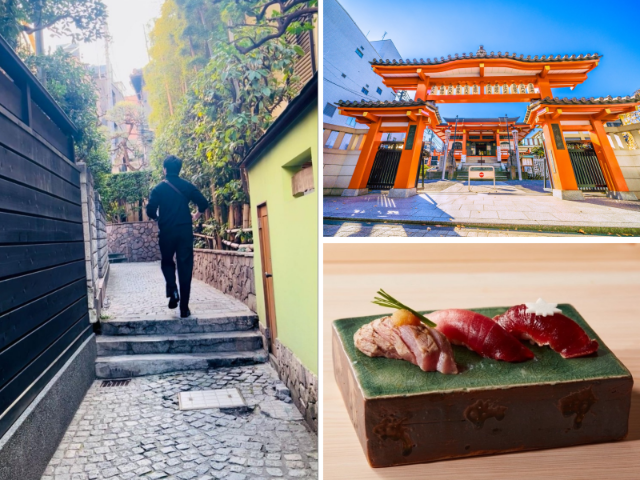
Kagurazaka, Tokyo: Hidden Alleys, Shrines, Cats and Japanese Food
-
Fukuoka 101: A Beginner’s Guide to the Laidback City of Fukuoka
-
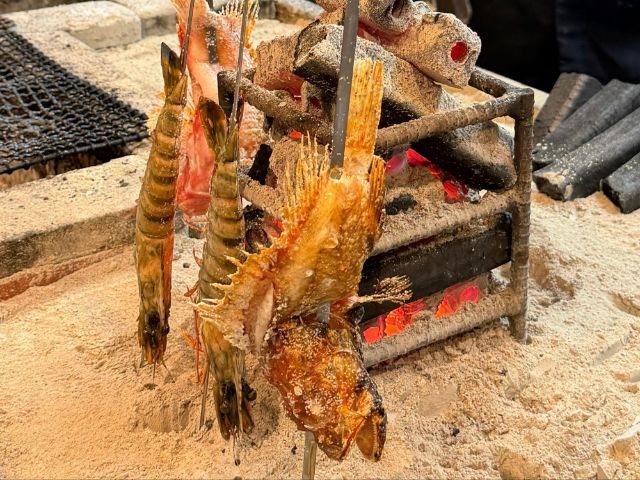
Beyond Sushi: Discover Robatayaki and Fresh Seafood in Nakano, Tokyo
-
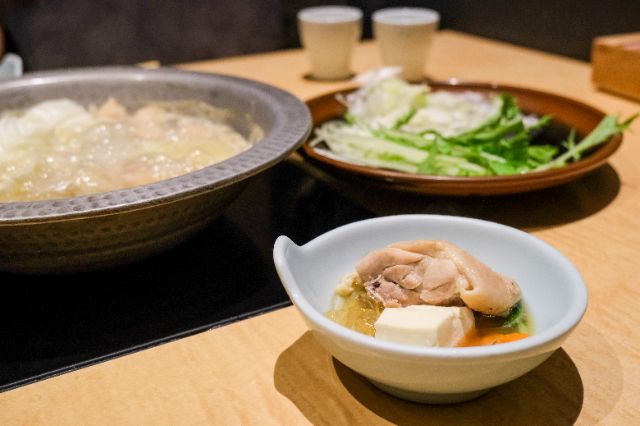
More Than Chicken Soup: Mizutaki at Hakata Hanamidori
-
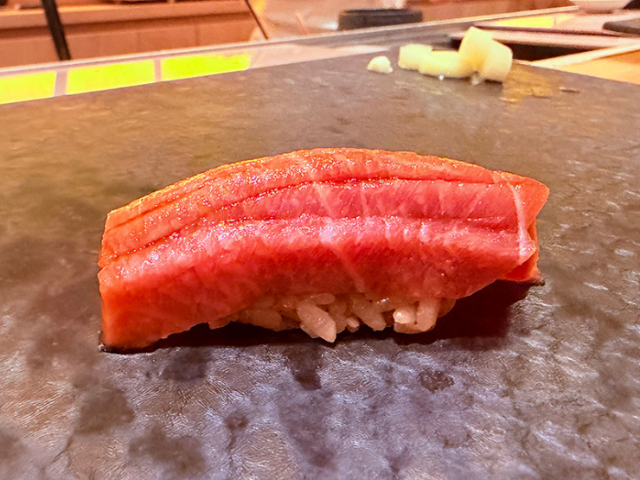
Fukuoka Gourmet: Tenjin Daimyo High-End Omakase Sushi Unboxing - Sushi Sho, Fukuoka Daimyo Garden City
Categories
Cuisine
- Bars (24)
-
Japanese Cuisine (712)
- Kaiseki (52)
- Nabe (23)
- Okonomiyaki (25)
- Shabu Shabu (39)
- Soba (19)
- Sushi (151)
- Tempura (22)
- Teppanyaki (46)
- Shojin Ryori (4)
- Tonkatsu (16)
- Kushiyaki (10)
- Yakitori (46)
- Sukiyaki (35)
- Japanese Cuisine (343)
- Oyster (3)
- Sashimi/ Seafood (35)
- Unagi (eel) (39)
- Motsu Nabe (offal hotpot) (12)
- Mizutaki (chicken hot pot) (5)
- Oden (9)
- Kaisendon (seafood bowl) (12)
- Udon (3)
- Taverns(Izakaya) Cuisine (139)
- Western Cuisine (42)
- Italian/French Cuisine (98)
- Yakiniku/Steak (236)
- Chinese Cuisine (27)
- Ramen (Noodles) Cuisine (26)
- Cafe/Sweets (70)
- Other Asian Cuisine (5)
- Global/International Cuisine (8)
- Alcohol (59)
- Other (11)
Area
- Shikoku (10)
- Kyoto and Osaka (358)
-
Tokyo (495)
- Tokyo (309)
- Ginza (50)
- Roppongi (26)
- Shibuya (30)
- Shinjuku (52)
- Asakusa (21)
- Ebisu (15)
- Tsukiji (13)
- Tokyo Landmarks (5)
- Ueno (25)
- Akihabara (10)
- Ikebukuro (14)
- Jiyugaoka, Denenchofu, Nakameguro (9)
- Shimokitazawa (4)
- Kichijoji (3)
- Tachikawa (1)
- Omotesando, Harajuku, Aoyama (20)
- Akabane (1)
- Kagurazaka (5)
- Akasaka (9)
- Odaiba (2)
- Tsukishima, Harumi, Toyosu (3)
- Near Tokyo (107)
- Okinawa and Ryukyu Islands (59)
- Hokkaido (126)
- Northern Honshu (Tohoku) (32)
- Central Honshu (Chubu) (146)
- Western Honshu (Chugoku) (33)
- Kyushu (99)
Archives
- November 2026(2)
- October 2026(5)
- September 2026(8)
- August 2026(6)
- July 2026(11)
- June 2026(10)
- May 2026(7)
- April 2026(18)
- March 2026(3)
- February 2026(13)
- January 2026(11)
- December 2025(9)
- November 2025(4)
- October 2025(3)
- September 2025(6)
- August 2025(11)
- July 2025(19)
- June 2025(18)
- May 2025(34)
- April 2025(43)
- March 2025(30)
- February 2025(36)
- January 2025(26)
- December 2024(69)
- November 2024(31)
- October 2024(15)
- September 2024(38)
- August 2024(65)
- July 2024(31)
- June 2024(54)
- May 2024(61)
- April 2024(28)
- March 2024(31)
- February 2024(42)
- January 2024(32)
- December 2023(20)
- November 2023(5)
- October 2023(10)
- September 2023(7)
- August 2023(18)
- July 2023(8)
- June 2023(8)
- May 2023(18)
- April 2023(15)
- March 2023(1)
- January 2023(1)
- April 2022(2)
- March 2022(2)
- February 2022(1)
- January 2022(1)
- July 2021(1)
- March 2021(1)
- February 2021(1)
- December 2020(1)
- October 2020(1)
- September 2020(2)
- August 2020(10)
- July 2020(6)
- June 2020(9)
- May 2020(11)
- April 2020(8)
- March 2020(8)
- February 2020(13)
- January 2020(9)
- December 2019(24)
- November 2019(8)
- August 2019(14)
- July 2019(15)
- June 2019(18)
- May 2019(17)
- April 2019(16)
- March 2019(22)
- February 2019(22)
- January 2019(26)
- December 2018(34)
- November 2018(40)
- October 2018(32)
- September 2018(11)
- August 2018(8)
- July 2018(6)
- June 2018(9)
- May 2018(10)
- April 2018(21)
- March 2018(74)
- February 2018(39)
- January 2018(26)
- December 2017(60)
Keywords
- Omakase
- Accessible
- Affordable
- All-You-Can-Eat
- Amazing Scenery
- anime
- Art
- Autumn
- Awards
- Beer Gardens
- Breakfast
- Chef Recommendations
- Cherry Blossoms
- Chinese
- Close To Station
- Condiments
- Counter
- Coupon
- Crab
- Culture
- Dassai
- Dates
- delivery
- Early Summer
- Editor's Recommendation
- English Available
- Event
- Expo
- Fall Leaves
- Family-Friendly
- Famous Restaurant
- Famous Tourist Spot
- Fast Food
- festival
- fireworks
- Flower Farm
- Free Wi-Fi
- French
- Great Location
- Guide
- Halal
- Hibachi
- hotpot
- How To
- hydrangea
- Hygiene
- Illumination
- Italian
- Izakaya
- Japanese
- Japanese alcohol
- jingisukan
- Kaiseki
- Kappo
- Kushiage
- Kushikatsu
- Kyoto
- Late-Night
- Lunch
- Manners
- matsusakagyu
- Michelin
- mizutaki
- Model Course
- monjayaki
- motsunabe
- Mt.Fuji
- Multilingual Menus
- Nabe
- Narita Airport
- New Year
- Ninja
- Noodle
- Oden
- Okonomiyaki
- omotenashi
- Onsen
- Osaka
- Osaka Station
- Photogenic Site
- pizza
- PR
- Private Room
- Ramen
- ranking
- Recipe
- Regional Cuisine
- Resort
- Rice Bowl Dish (Donburi)
- robata
- sacred places
- Sake
- Sakura
- Sashimi
- sea urchin
- Setouchi Area
- Shabu Shabu
- sightseeing
- Signature Dish
- Soba
- Solo Diners Welcomed
- Spicy Food
- Spring
- Steak
- Summer
- Sunflower
- Sushi
- takeout
- Teppanyaki
- Terrace Seating
- Tokyo
- Tokyo Experiences
- Tokyo Skytree
- Tokyo Tower
- unagi
- UNESCO
- Vegan
- Vegetarian
- Wagyu
- What Popular Gourmet Sites Recommend
- Whisky
- Wine Bar
- Winter
- Wisteria
- Workshop
- World Heritage Site
- World Writers
- Yakiniku
- Yoshoku
- Yuba
- Zen
Discover Restaurants By Area
-

Tokyo Area
Japan's largest city, Tokyo, is the center of culinary culture in Japan. Countless Tokyo restaurants serve every kind of food imaginable and the Toyosu fish market keeps restaurants stocked with the nation's finest fish.
-

Near Tokyo
Coastal areas, mountains and valleys surrounding Tokyo are bursting with tourist destinations, such as hot springs and ski slopes, where many unique foods are only available locally.
-

Kyoto and Osaka Area
The cities of Kyoto and Osaka, together with their surrounding areas, have greatly influenced Japan's culinary culture since the 7th Century. The region is renowned for its entertainment, Kobe beef, and wide-ranging traditional dishes.
-

Hokkaido Area
The island of Hokkaido is home to wide-ranging produce of the finest quality, such as rice, meat, vegetables, fish and fruit. Popular dishes from Hokkaido include robatayaki (food slowly roasted on skewers) and Sapporo miso ramen.
-

Northern Honshu (Tohoku)
The northern end of Japan's main island, Honshu, is renowned for its seasonal fruit and vegetables, nation-leading harvest of fish (especially tuna from Ohma), and delicious beef from Yonezawa, Sendai and Yamagata.
-

Central Honshu (Chubu)
Chubu is in the center of Japan's main island, Honshu, and its culinary culture reflects its position between Japan's western and eastern halves. Delicious Hida beef, world-famous Mount Fuji and many acclaimed sake breweries are in Chubu.
-

Western Honshu (Chugoku)
Chugoku, on the southwest of Japan's main island, is rich with diverse produce. Many of its products are praised as Japan's best, including Matsuba crabs from Tottori and oysters from Hiroshima. Its pears and muscats are also top grade.
-

Shikoku
The mild climate of Shikoku is ideal for growing citrus fruit such as sudachi. Shikoku is also famous for Sanuki udon noodles, huge yields of tiger prawn from Ehime Prefecture and the best torafugu (tiger globefish) in the country.
-

Kyushu
Western culture was first introduced to Japan through Kyushu, Japan's third largest island, where the influence of Portuguese and other western cuisine influenced the creation of a colorful culinary tradition.
-

Okinawa and Ryukyu Islands
Okinawa, Japan’s southernmost prefecture, is a treasure trove of distinctive dishes and drinks that have become popular throughout Japan, including Okinawa soba, unique sushi toppings and Awamori distilled liquor.