Must Try Hokkaido Izakaya in Shibuya: Kushiroya

Finding Kushiro in Shibuya
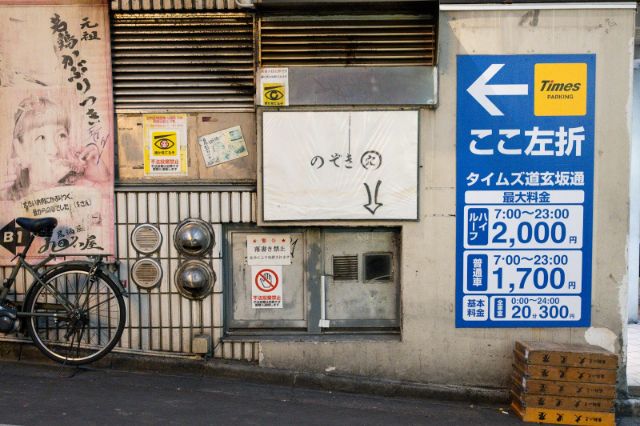
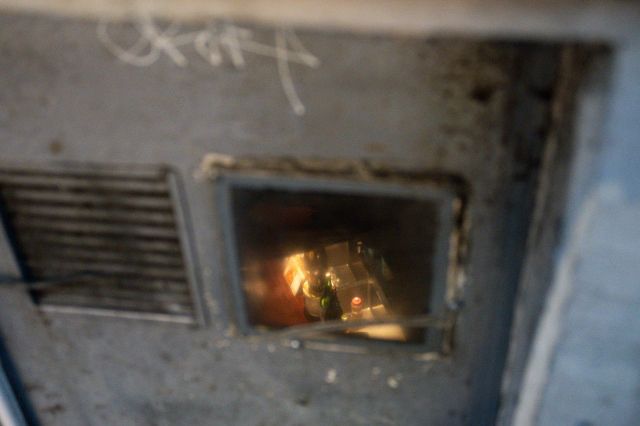
Head up Dogenzaka from Shibuya station’s Hachiko exit, past the Don Quijote and H&M. Turn left at the fork and look for a white sign in fat black marker. “のぞき穴” – “Peep hole.” An arrow points down to a tiny, cracked window. Stoop a little and look in the foggy square of glass to discover Chef Unuma’s perfect bar.
Behind the counter full of bottles of sake, you might see Kushiroya chef-owner Norihiro Unuma working the crowd. In his own words, this izakaya is the prideful dream of his youth. In the hearts of regulars, it's something of a second home.
To actually enter Kushiroya, diners descend via elevator or stairs. Take a good look at the wall of photographs just to the side of the elevator doors – all dated 2011, 2012. These photos tell the story of Kushiroya and its community, a family built over a decade and a half. Seeing them, you feel certain: Kushiro is an izakaya where guests simply love to come together and eat good food.
Izakaya Kushiroya
Closed: Sunday
Average price: [Dinner] 3,500 JPY
Access: Five minute walk from JR Shibuya station. Take Hachiko exit and turn right at the intersection down Dogenzaka road. Take a left at Dogenzaka 2-Chome interection, and it is located 50m futher on the left hand side.
Address: Koike Bldg. B1, 2-23-1 Dogenzaka , Shibuya-ku, Tokyo Map
More Details Reservation
How Kushiroya Became Kushiroya
At 25, Kushiroya chef and owner Norihiro Unuma was working a white collar job. While his coworkers trumped his experience by a matter of decades, then not-yet-chef “Unuma” dominated in sales, becoming a top salesman nationwide. With newfound confidence, he decided to try his hand at something more exciting – like becoming a chef.
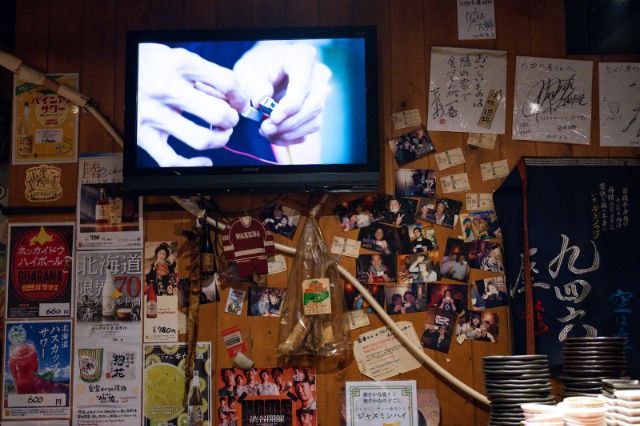
He admits that he didn’t have any experience cooking when he started. Much less running a restaurant. But chef Unuma imagined the type of izakaya he’d dreamed of visiting as a regular salaryman and was determined to be the one to create it. His ideal izakaya would be a place where you could stop by on the way home for a pint and chat with the owner or watch tv over otsumami (small plates to enjoy with drinks, kind of like tapas) when it’s too busy to converse. He’d dreamed of creating the exact space diners enjoy at the current Kushiroya.
First, chef Unuma gained experience working at his uncle’s Izakaya and developed strong relationships with other restaurateurs in the industry. His network is still extensive, an echo of his direct but kind personality. He remembers asking chefs how they made certain dishes and still appreciates the way they openly shared with him.
After training and copying the work of his mentors, chef Unuma opened Kushiroya. But at that time, he didn’t have a stable way of gathering new customers. Instead, thanks to his people skills and strong network, he was able to rely on industry connections as reliable patrons. He continued to serve his immediate community, even though that meant staying open until 7am, so friends could visit after their own bars closed at 5. That said, now that Kushiroya has its own steady clientele, Chef Unuma closes at a reasonable 12 am midnight, instead.
Over time, the connection between Kushiroya and Hokkaido itself grew stronger. Chef Unuma is from Kushiro, Hokkaido, making it a natural progression, though not necessarily an intentional one. Since he only had 3 days to choose a store name, it just happened to be that he could make a good name out of “Kushiro” using Japanese number word-play. The pronunciation of 9,4,and 6, whose kanji are used in the store’s name, sound similar to the name of Hokkaido port city. Nowadays, Hokkaido-born athletes and actresses come in their private time. A Kushiroya fan community of sorts has sprung up around shared Hokkaido heritage.
While the bar has a unique story that speaks for itself, guests come from around the world to share this special place. Chef Unuma has fond memories of one-time customers who visit years later and rave that the flavor and space is just as they remember. Private parties and big groups are just as welcome as solo diners coming in to loosen ties after work.
The Space
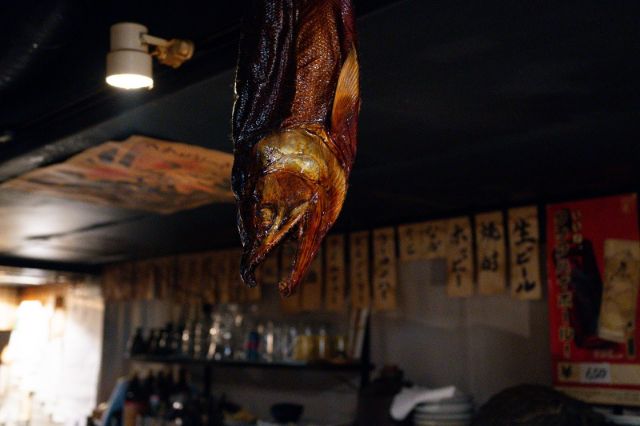
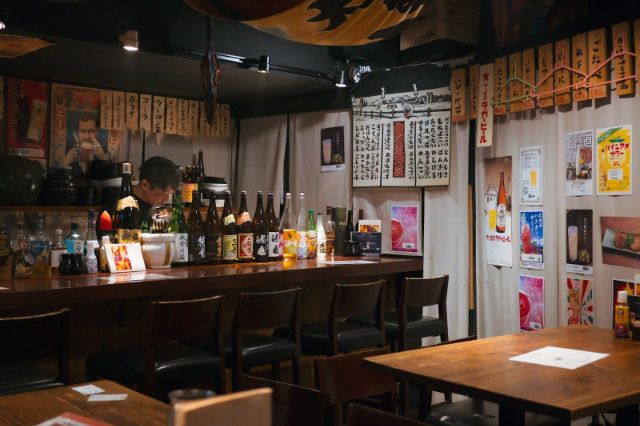
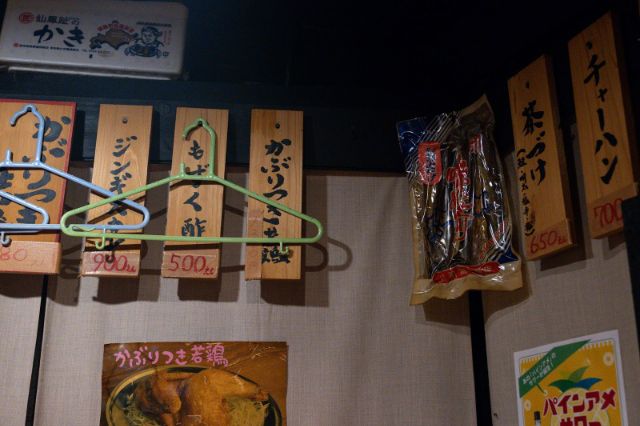
The decor, collected over time, consists of dried fish (once food…now fashion!), vintage ads and ship flags like the kind seen in Kushiro’s history museum. These reflect the city’s long history as a port city, logging and shipping hub. If you imagine hard enough, you could even conjure images of Kushiro’s famous fog in the steam and grill-smoke that fills the dining room after an hour of non-stop cooking. Tables are simple, true to the izakaya style, and the bar is stocked with shochu and nihonshu (Japanese sake). The walls are tacked with hand-written menu tags, “the old fashioned way.”
Chef Unuma wanted his izakaya to be a departure from Shibuya, despite being located on the tourist and chain store-heavy Dogenzaka. He styled his restaurant to be more akin to the kind of gritty, locals-only izakaya with 50 years of wear and tear that Tokyoites expect to find in suburbs like Asagaya or Ogikubo. One look around and it’s clear that he’s achieved that over Kushiroya’s 16 years in business. Even with its characteristic patina and local appeal, Kushiroya remains open to newcomers and passerby. It’s easy to feel at home here, which is one aspect that keeps people coming back.
The Food
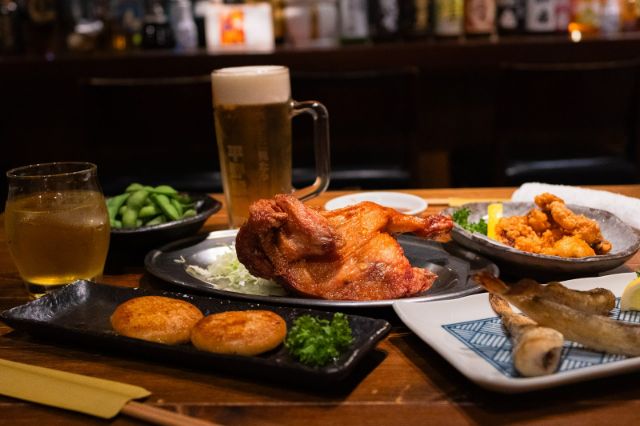
Hokkaido is defined by its Northern location as much as by its food. Potatoes, milk, seafood, fruit, wheat, soy and red beans, rice – you name a staple product and there is likely a major industry for it in Hokkaido. Thanks to this, the whole prefecture has earned a reputation for delicious, high quality, and rib-sticking (thanks frigid winters!) cuisine.
Kushiro, being a major fishing port, has some unique food culture of its own, such as the local market’s katte-don a do-it-yourself seafood bowl, and many rare species of fish. It’s also well-known for Hokkaido’s original style of fried chicken, zangi.
Izakaya Kushiroya
Closed: Sunday
Average price: [Dinner] 3,500 JPY
Access: Five minute walk from JR Shibuya station. Take Hachiko exit and turn right at the intersection down Dogenzaka road. Take a left at Dogenzaka 2-Chome interection, and it is located 50m futher on the left hand side.
Address: Koike Bldg. B1, 2-23-1 Dogenzaka , Shibuya-ku, Tokyo Map
More Details Reservation
Hokkaido Specialties
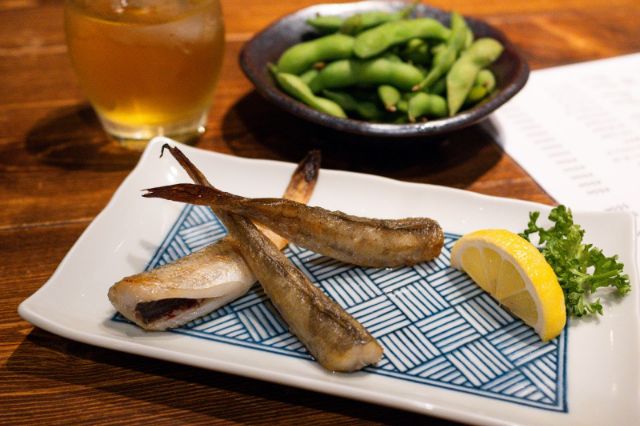
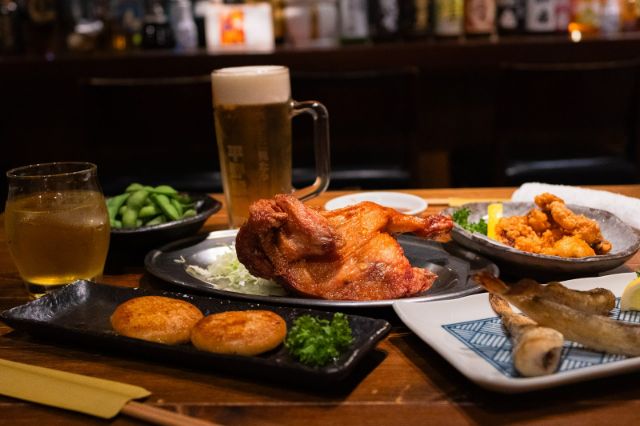
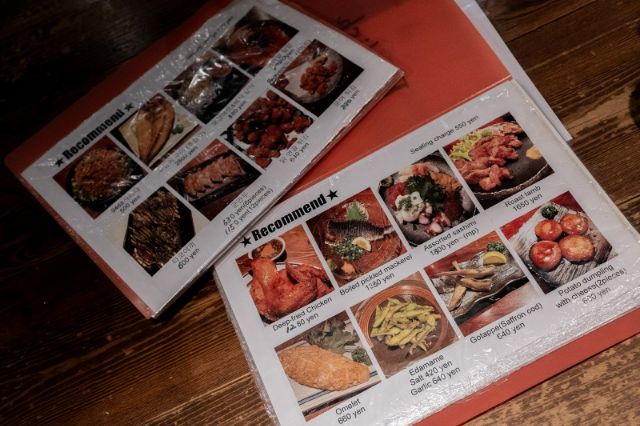
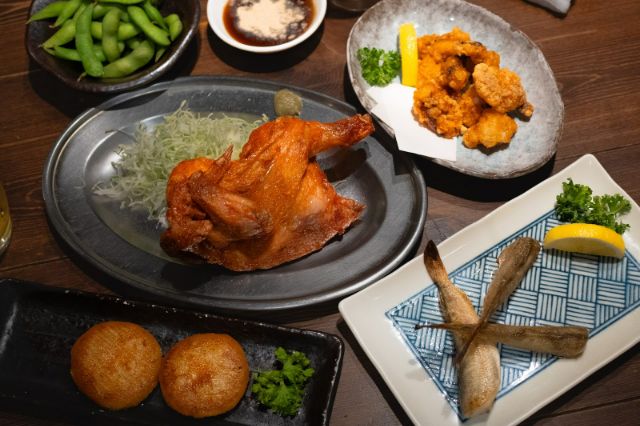
At Kushiroya, you can enjoy a dish that even most Japanese people haven’t ever heard of: Gotappe. The fish themselves are called komai, a name which refers to their tendency to swim in icy waters. They’re eaten throughout Russia and Japan, yet haven’t made it into the public canon the way tuna and uni (sea urchin) have. After gutting, the hand-length fish can be fried and eaten whole on their own or with a spritz of lemon, right down to the tail.
The meat is properly meaty, like cod (a close cousin) but less flakey, and almost sticky in its chicken-tender-like bite. They have the same kind of mild sweetness that makes a fish stick beloved by children and adults alike, wrapped in a thin layer of batter. Gotappe is a rare dish and true hallmark of Hokkaido, something people from chef Unuma’s home town come here to enjoy but which is easily overlooked by those not in the know. It’s something that might not exist in all the rest of Tokyo. Make the leap and try it while you’re at Kushiroya.
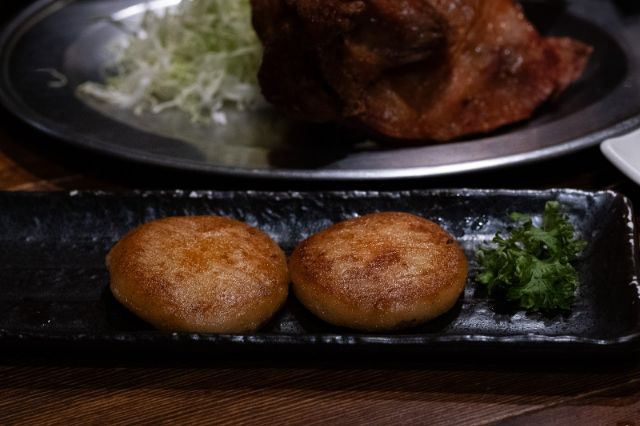
While gotappe is a rare delicacy, another Hokkaido specialty at Kushiroya is a perennial favorite with guests from all over. Lightly grilled, stretchy imo mochi are made of Hokkaido-grown potatoes stuffed with soft cheese. The whole dumpling is savory and crave-worthy, going down great with a sip of beer. The mild cheesy flavor is appealing to just about everyone, and the uniquely soft texture of the “potato mochi” is similar to gnocchi but much more pliable. Take a bite and pull it apart with your teeth, or split it in half with chopsticks if you’re an expert.
Chicken
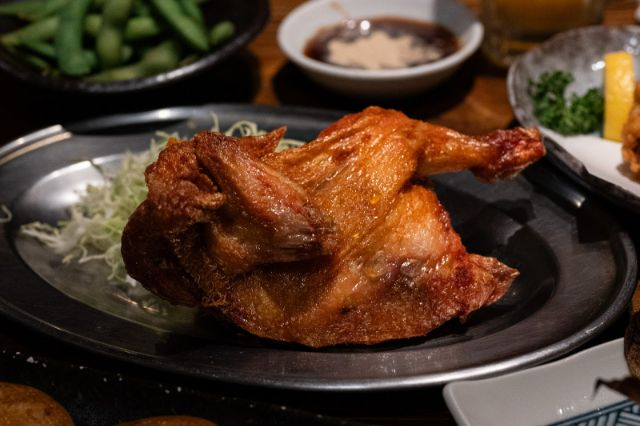
A whole half chicken, called the “Kaburitsuki Wakadori” is served with original zantare and a slice of citrus is both authentic to Hokkaido and approachable for first time guests. The meat is left bone-in and fried to a light crisp. Both white meat and dark meat portions are left intact. The bird is flash-fried at a high temperature so that even the fine bones become light and crisp, like a meaty cracker.
Chef Unuma serves it with small a dab of yuzukosho, a bright, spicy and salty condiment that’s perfect against the winter cold. While the chicken is already seasoned and delicious on its own, a little yuzukosho or a dip in the intensely peppery zantare (which is thicker than it looks) takes the flavor one step further. The outside of the chicken is fried to a satisfying crisp while the inside remains fresh and meaty.
Pub favorites
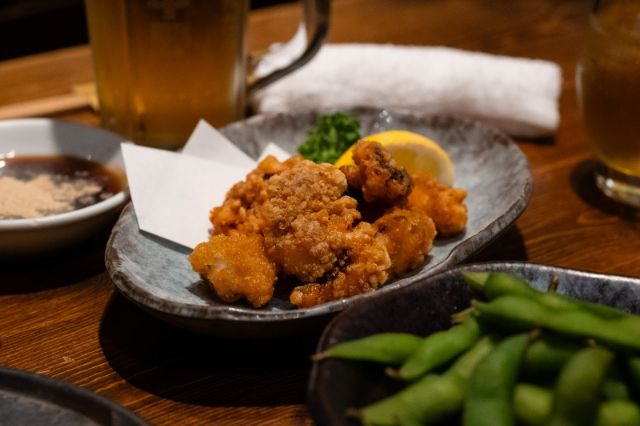
Of course, many guests come for the standard pub favorites. Edamame are served warm and made to order, a subtle touch that regulars appreciate. Normally, edamame are chilled and come out as soon as the drinks are served, but here extra care is put into preparing the Hokkaido-grown soy beans.
The tako kaarage, fried morsels of soft octopus, are popular with both domestic and visiting guests. They’re similar to the calamari at popular chains overseas, but with an addictively soft texture and flavorful batter.
Kushiroya has a wide selection of secret menu items that chef Unuma is happy to offer guests who are able to speak a little Japanese. Think of it as a reward for knowing the secret password. However, he says that if you can find photos of the dish you’d like to try on Kushiroya’s official Instagram account, he might be able to make it for you, assuming he has the ingredients.
Closing
Fans of the television series Midnight Diner might find some similarities between Chef Unuma’s style and the master’s kitchen. Regulars come in and sometimes request off-menu items that bring back important memories. People stroll in off the street, are met with a taste of Hokkaido and recall their childhood there or find new friends in the fellow strangers at the counter.
For visitors coming in from overseas, Kushiroya represents many of the ideal aspects of visiting an izakaya. From the authenticity to the intimacy, and even the characteristic roughness that makes it feel like a place people genuinely visit and love. Kushiroya isn’t stuffy or inflated, it’s just a place where the chef cooks the food he likes and works to make people feel satisfied and welcome.
If this kind of authentic experience is something you’re looking for while visiting Japan, there are few better spots to try it than Kushiroya. With convenient reservation options and station access, a menu full of both unique regional foods and crowd-pleasing favorites, and the kind of familiar community atmosphere that makes anyone feel welcome, Kushiroya is a one of a kind Izakaya in Shibuya.
Izakaya Kushiroya
Closed: Sunday
Average price: [Dinner] 3,500 JPY
Access: Five minute walk from JR Shibuya station. Take Hachiko exit and turn right at the intersection down Dogenzaka road. Take a left at Dogenzaka 2-Chome interection, and it is located 50m futher on the left hand side.
Address: Koike Bldg. B1, 2-23-1 Dogenzaka , Shibuya-ku, Tokyo Map
More Details Reservation
Disclaimer: All information is accurate at time of publication.
Thank you for reading our article.
Our goal is to take your culinary journey to the next level by helping you find the best restaurant. With SAVOR JAPAN, you can search and make reservations for
the Izakaya, Sake, Beer and Sashimi/ Seafood restaurants found in and around Shibuya that fill your needs.
Discover more Izakaya, Sake, Beer and Sashimi/ Seafood restaurants by area
- Tokyo Area
- Near Tokyo
- Kyoto and Osaka Area
- Hokkaido Area
- Northern Honshu (Tohoku)
- Central Honshu (Chubu)
- Western Honshu (Chugoku)
- Shikoku
- Kyushu
- Okinawa and Ryukyu Islands
Discover more restaurants to eat Taverns(Izakaya) Cuisine, Alcohol, Alcohol and Japanese Cuisine by area
Related Articles
-
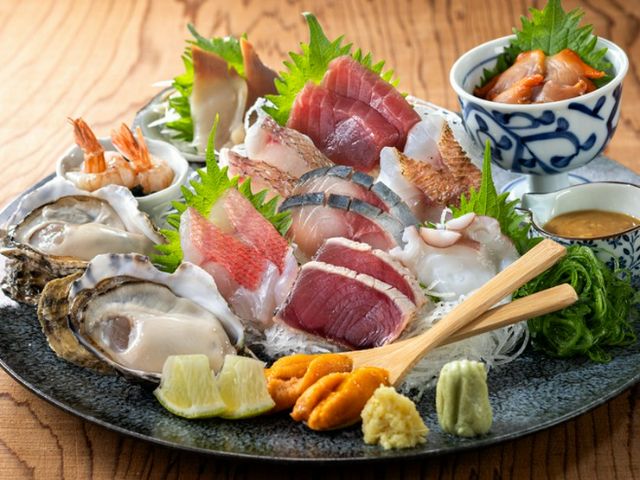
5 Recommended Izakayas in Yokohama and Kawasaki: Selected Popular Restaurants Among Locals
This article introduces a selection of popular izakayas in Yokohama and Kawasaki, which are popular tourist destinations filled with attractions such as the sea, cityscapes, and historical sites. It features restaurants where visitors can enjoy authentic flavors and atmospheres loved by locals. After sightseeing, why not visit an izakaya that can be easily accessed?
-
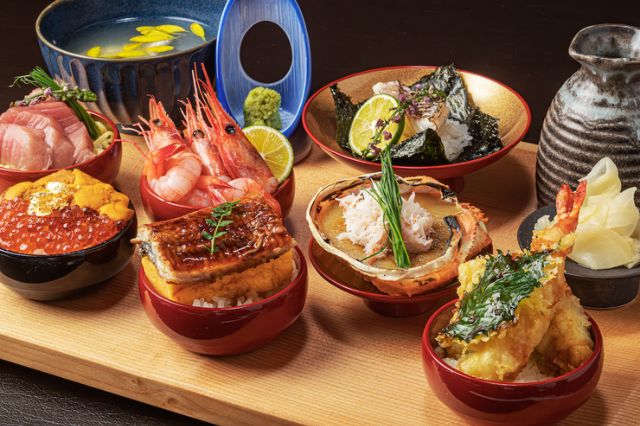
Recommended Dinners in Shibuya: 15 Restaurants Popular Among Locals
Shibuya is a popular destination for many foreign tourists. In this bustling area of Tokyo, numerous restaurants compete fiercely, making it somewhat difficult to choose where to dine. This time, 15 recommended dinner restaurants in Shibuya have been carefully selected.
-
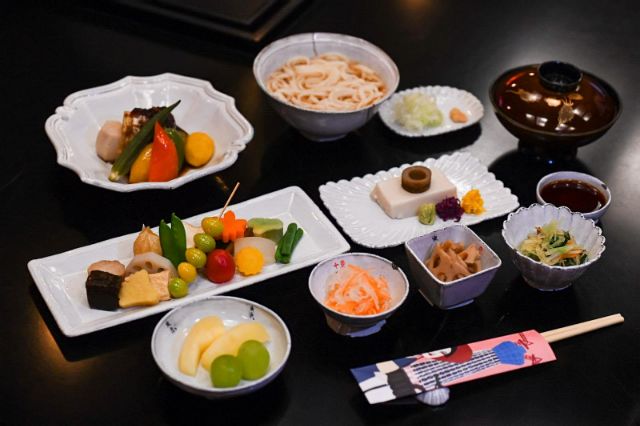
Tokyo October: Japanese Dining with Art & Vegan Shojin Ryori Omakase in Omotesando
Tokyo October serves classical washoku, including vegan shojin ryori and kaiseki in a space that looks like a temple directed by French artistes. The art and architecture comes from renowned design houses, while the food is created by a chef with a deep passion for and study of washoku. He’s followed the traditional cuisine of Japan down to its roots for over thirty years, specializing in Japanese tea ceremony and gastronomy.
-
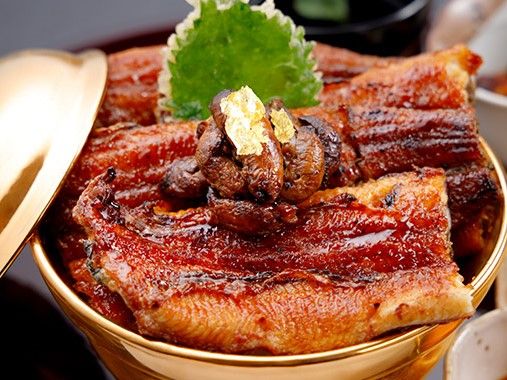
11 Selected Restaurants in Tokyo Where One Can Enjoy Delicious 'Donburi'
A 'donburi' is a popular Japanese dish consisting of rice topped with ingredients such as meat, fish, or eggs. In Tokyo, one can find a variety of donburi including katsudon, oyakodon, seafood don, and tendon, each restaurant offering its unique flavors. It is recommended as a dish that can be easily enjoyed during one's travels.
-
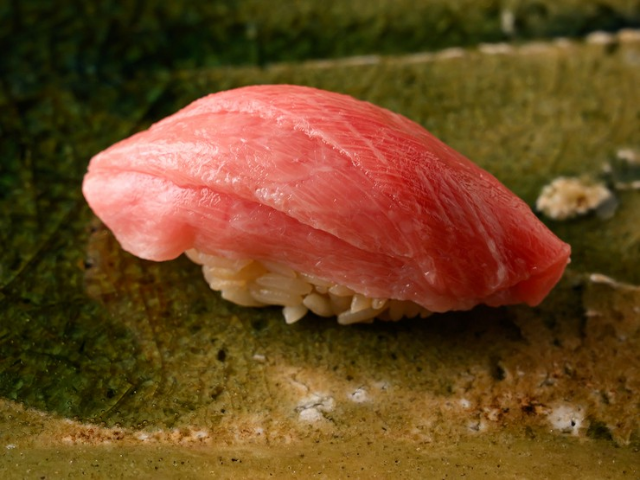
Azabudai Yuuri, a Bold New Sushi Omakase Near Tokyo Tower
When restaurants make the decision to appeal to international visitors, they often choose one of two routes: focus on cuisine that global guests will recognize, or hope they’ll learn to tread water with an immersion in Japanese tradition. At his new sushi restaurant near Azabudai Hills and Tokyo Tower, head chef Takahashi Yuta uses his childhood abroad to forge a third route: livening up Edomae sushi with clear English and a big personality.
New Articles
-
Beyond Sushi: Discover Robatayaki and Fresh Seafood in Nakano, Tokyo
-
More Than Chicken Soup: Mizutaki at Hakata Hanamidori
-
All-You-Can-Eat Sushi & Snow Crab in Tokyo: Ultimate Seafood Experience at Fujiyama Akihabara
-
![[2026 Latest] Enjoy Halal Wagyu in Tokyo! Wagyu Ramen at "Shinjuku-tei", All-You-Can-Eat Sushi at "FUJIYAMA", and Yakiniku at "Gyumon" - Recommended Guide](https://rimage.savorjapan.com/svj/image/discover_oishii_japan/7283/article_head_150x105z.jpg?t=1789035665)
[2026 Latest] Enjoy Halal Wagyu in Tokyo! Wagyu Ramen at "Shinjuku-tei", All-You-Can-Eat Sushi at "FUJIYAMA", and Yakiniku at "Gyumon" - Recommended Guide
-
Tsukiji Market Half-Day Walking Guide | 5 Must-Visit Attractions + Most Efficient Route (Including Transportation and Business Hours Summary)
Categories
Cuisine
- Bars (24)
-
Japanese Cuisine (713)
- Kaiseki (51)
- Nabe (23)
- Okonomiyaki (25)
- Shabu Shabu (39)
- Soba (19)
- Sushi (151)
- Tempura (22)
- Teppanyaki (46)
- Shojin Ryori (4)
- Tonkatsu (16)
- Kushiyaki (10)
- Yakitori (46)
- Sukiyaki (36)
- Japanese Cuisine (344)
- Oyster (3)
- Sashimi/ Seafood (35)
- Unagi (eel) (39)
- Motsu Nabe (offal hotpot) (12)
- Mizutaki (chicken hot pot) (5)
- Oden (9)
- Kaisendon (seafood bowl) (12)
- Udon (3)
- Taverns(Izakaya) Cuisine (138)
- Western Cuisine (42)
- Italian/French Cuisine (98)
- Yakiniku/Steak (237)
- Chinese Cuisine (27)
- Ramen (Noodles) Cuisine (25)
- Cafe/Sweets (71)
- Other Asian Cuisine (5)
- Global/International Cuisine (7)
- Alcohol (59)
- Other (11)
Area
- Shikoku (10)
- Kyoto and Osaka (358)
-
Tokyo (496)
- Tokyo (310)
- Ginza (51)
- Roppongi (26)
- Shibuya (30)
- Shinjuku (51)
- Asakusa (21)
- Ebisu (15)
- Tsukiji (13)
- Tokyo Landmarks (5)
- Ueno (25)
- Akihabara (10)
- Ikebukuro (14)
- Jiyugaoka, Denenchofu, Nakameguro (9)
- Shimokitazawa (4)
- Kichijoji (3)
- Tachikawa (1)
- Omotesando, Harajuku, Aoyama (20)
- Akabane (1)
- Kagurazaka (4)
- Akasaka (9)
- Odaiba (2)
- Tsukishima, Harumi, Toyosu (3)
- Near Tokyo (107)
- Okinawa and Ryukyu Islands (59)
- Hokkaido (125)
- Northern Honshu (Tohoku) (31)
- Central Honshu (Chubu) (146)
- Western Honshu (Chugoku) (33)
- Kyushu (98)
Archives
- October 2026(3)
- September 2026(8)
- August 2026(6)
- July 2026(11)
- June 2026(10)
- May 2026(7)
- April 2026(18)
- March 2026(3)
- February 2026(13)
- January 2026(11)
- December 2025(9)
- November 2025(4)
- October 2025(3)
- September 2025(6)
- August 2025(11)
- July 2025(19)
- June 2025(18)
- May 2025(34)
- April 2025(43)
- March 2025(30)
- February 2025(36)
- January 2025(26)
- December 2024(69)
- November 2024(31)
- October 2024(15)
- September 2024(38)
- August 2024(65)
- July 2024(31)
- June 2024(54)
- May 2024(61)
- April 2024(28)
- March 2024(31)
- February 2024(42)
- January 2024(32)
- December 2023(20)
- November 2023(5)
- October 2023(10)
- September 2023(7)
- August 2023(18)
- July 2023(8)
- June 2023(8)
- May 2023(18)
- April 2023(15)
- March 2023(1)
- January 2023(1)
- April 2022(2)
- March 2022(2)
- February 2022(1)
- January 2022(1)
- July 2021(1)
- March 2021(1)
- February 2021(1)
- December 2020(1)
- October 2020(1)
- September 2020(2)
- August 2020(10)
- July 2020(6)
- June 2020(9)
- May 2020(11)
- April 2020(8)
- March 2020(8)
- February 2020(13)
- January 2020(9)
- December 2019(24)
- November 2019(8)
- August 2019(14)
- July 2019(15)
- June 2019(18)
- May 2019(17)
- April 2019(16)
- March 2019(22)
- February 2019(22)
- January 2019(26)
- December 2018(34)
- November 2018(40)
- October 2018(32)
- September 2018(11)
- August 2018(8)
- July 2018(6)
- June 2018(9)
- May 2018(10)
- April 2018(21)
- March 2018(74)
- February 2018(39)
- January 2018(26)
- December 2017(60)
Keywords
- Omakase
- Accessible
- Affordable
- All-You-Can-Eat
- Amazing Scenery
- anime
- Art
- Autumn
- Awards
- Beer Gardens
- Breakfast
- Chef Recommendations
- Cherry Blossoms
- Chinese
- Close To Station
- Condiments
- Counter
- Coupon
- Crab
- Culture
- Dassai
- Dates
- delivery
- Early Summer
- Editor's Recommendation
- English Available
- Event
- Expo
- Fall Leaves
- Family-Friendly
- Famous Restaurant
- Famous Tourist Spot
- Fast Food
- festival
- fireworks
- Flower Farm
- Free Wi-Fi
- French
- Great Location
- Guide
- Halal
- Hibachi
- hotpot
- How To
- hydrangea
- Hygiene
- Illumination
- Italian
- Izakaya
- Japanese
- Japanese alcohol
- jingisukan
- Kaiseki
- Kappo
- Kushiage
- Kushikatsu
- Kyoto
- Late-Night
- Lunch
- Manners
- matsusakagyu
- Michelin
- mizutaki
- Model Course
- monjayaki
- motsunabe
- Mt.Fuji
- Multilingual Menus
- Nabe
- Narita Airport
- New Year
- Ninja
- Noodle
- Oden
- Okonomiyaki
- omotenashi
- Onsen
- Osaka
- Osaka Station
- Photogenic Site
- pizza
- PR
- Private Room
- Ramen
- ranking
- Recipe
- Regional Cuisine
- Resort
- Rice Bowl Dish (Donburi)
- robata
- sacred places
- Sake
- Sakura
- Sashimi
- sea urchin
- Setouchi Area
- Shabu Shabu
- sightseeing
- Signature Dish
- Soba
- Solo Diners Welcomed
- Spicy Food
- Spring
- Steak
- Summer
- Sunflower
- Sushi
- takeout
- Teppanyaki
- Terrace Seating
- Tokyo
- Tokyo Experiences
- Tokyo Skytree
- Tokyo Tower
- unagi
- UNESCO
- Vegan
- Vegetarian
- Wagyu
- What Popular Gourmet Sites Recommend
- Whisky
- Wine Bar
- Winter
- Wisteria
- Workshop
- World Heritage Site
- World Writers
- Yakiniku
- Yoshoku
- Yuba
- Zen
Discover Restaurants By Area
-

Tokyo Area
Japan's largest city, Tokyo, is the center of culinary culture in Japan. Countless Tokyo restaurants serve every kind of food imaginable and the Toyosu fish market keeps restaurants stocked with the nation's finest fish.
-

Near Tokyo
Coastal areas, mountains and valleys surrounding Tokyo are bursting with tourist destinations, such as hot springs and ski slopes, where many unique foods are only available locally.
-

Kyoto and Osaka Area
The cities of Kyoto and Osaka, together with their surrounding areas, have greatly influenced Japan's culinary culture since the 7th Century. The region is renowned for its entertainment, Kobe beef, and wide-ranging traditional dishes.
-

Hokkaido Area
The island of Hokkaido is home to wide-ranging produce of the finest quality, such as rice, meat, vegetables, fish and fruit. Popular dishes from Hokkaido include robatayaki (food slowly roasted on skewers) and Sapporo miso ramen.
-

Northern Honshu (Tohoku)
The northern end of Japan's main island, Honshu, is renowned for its seasonal fruit and vegetables, nation-leading harvest of fish (especially tuna from Ohma), and delicious beef from Yonezawa, Sendai and Yamagata.
-

Central Honshu (Chubu)
Chubu is in the center of Japan's main island, Honshu, and its culinary culture reflects its position between Japan's western and eastern halves. Delicious Hida beef, world-famous Mount Fuji and many acclaimed sake breweries are in Chubu.
-

Western Honshu (Chugoku)
Chugoku, on the southwest of Japan's main island, is rich with diverse produce. Many of its products are praised as Japan's best, including Matsuba crabs from Tottori and oysters from Hiroshima. Its pears and muscats are also top grade.
-

Shikoku
The mild climate of Shikoku is ideal for growing citrus fruit such as sudachi. Shikoku is also famous for Sanuki udon noodles, huge yields of tiger prawn from Ehime Prefecture and the best torafugu (tiger globefish) in the country.
-

Kyushu
Western culture was first introduced to Japan through Kyushu, Japan's third largest island, where the influence of Portuguese and other western cuisine influenced the creation of a colorful culinary tradition.
-

Okinawa and Ryukyu Islands
Okinawa, Japan’s southernmost prefecture, is a treasure trove of distinctive dishes and drinks that have become popular throughout Japan, including Okinawa soba, unique sushi toppings and Awamori distilled liquor.